And why most children's snacks fall embarrassingly short.
Ask most parents how much protein their child needs each day and you'll get a shrug. Ask them to check the protein content of the snack in their child's lunchbox right now, and most will be quietly surprised by how little it contains.
Protein is one of the most important nutrients for growing children — yet it's routinely crowded out of their diets by carb-heavy, sugar-laden snacks that fill bellies without building bodies. Here's everything you need to know, with the numbers to match.
Protein requirements by age group and how common foods measure up.
📌 A child who snacks on protein is more likely to concentrate at school, behave consistently, and avoid the 3pm energy crash. It's not just a nutrition issue — it's a performance issue.
Key Takeaways
- Needs rise with age: ICMR-NIN 2020 puts daily protein at roughly 12.5g for toddlers up to ~45g for teens — spread across meals and snacks, that's just 4–5g per eating occasion.
- Most kids' snacks fall short: typical biscuits and fruit snacks offer around 1g of protein per serving, when a snack should contribute 3–6g.
- Quality and variety matter: animal proteins are "complete," while plant eaters simply need a wider range of legumes, grains, nuts and seeds across the day.
- Distribute, don't stockpile: the body uses protein best in regular, moderate doses rather than one large hit.
Why Protein Matters So Much for Children
Protein isn't just for bodybuilders. In children, it plays a fundamental role in nearly every biological process:
- Growth and repair — protein is the literal building block of muscle, bone, skin, and organs
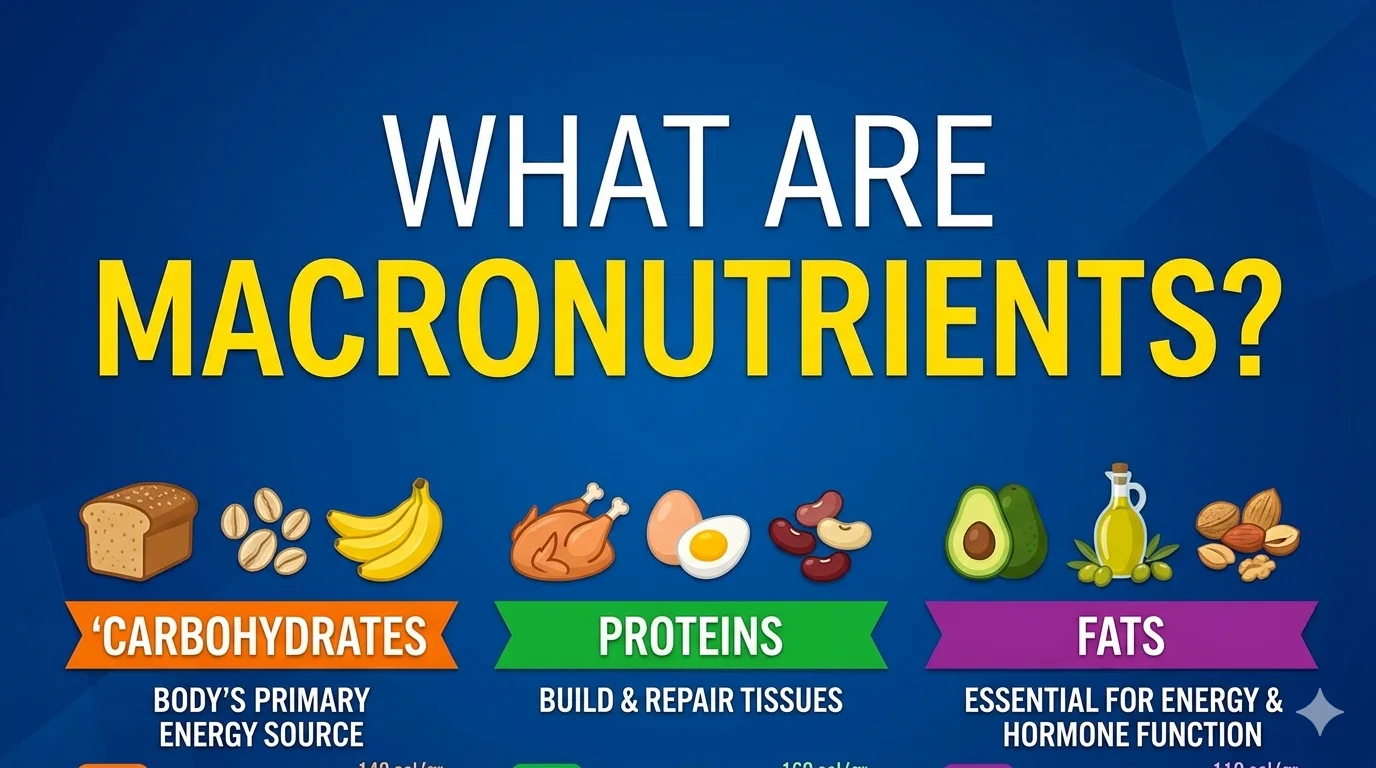
- Brain function — amino acids from protein are precursors to neurotransmitters that regulate mood, focus, and sleep (protein is one of the three macronutrients every child needs daily)
- Immune defence — antibodies are proteins; a well-nourished child has a stronger immune response
- Satiety — protein is the most filling macronutrient, keeping hunger at bay far longer than carbohydrates or fat
- Blood sugar regulation — protein slows glucose absorption, preventing the spikes and crashes that lead to mood swings and poor concentration
The Numbers: How Much Protein Do Kids Need?
According to the ICMR-NIN 2020 Recommended Dietary Allowances — the standard for Indian children — the daily protein targets are:
| Age Group | Daily Protein (RDA) | Per kg Body Weight |
|---|---|---|
| 1-3 years | 12.5g per day | 0.97g / kg |
| 4-6 years | 15.9g per day | 0.87g / kg |
| 7-9 years | 23.3g per day | 0.92g / kg |
| 10-12 years (boys) | 31.8g per day | 0.91g / kg |
| 10-12 years (girls) | 32.8g per day | 0.90g / kg |
| 13-15 years (boys) | 44.9g per day | 0.89g / kg |
International guidelines (US Institute of Medicine) set slightly higher figures — 13g (1–3y), 19g (4–8y), 34g (9–13y) — but ICMR's values are calibrated to Indian body weights and diets.
The per-kilogram figures are especially useful. A 7-year-old weighing 25kg needs around 23g of protein per day. Spread across three meals and two snacks, that's only around 4–5g per eating occasion — a target that's very achievable with the right choices, but easily missed with conventional children's snacks.
Note on cereal-based diets: ICMR-NIN adds an important caveat — for children on a mostly cereal-based diet with lower-quality protein, the requirement rises to roughly 1g/kg/day. This is exactly why the quality of protein (and pairing cereals with pulses and dairy) matters as much as the quantity.
The Snack Problem
Here's where things get uncomfortable. The snack market for children is dominated by products that are built around refined carbohydrates — crackers, biscuits, rice cakes, fruit pouches, and cereal bars — that provide minimal protein.
A typical children's biscuit or fruit snack provides roughly 1g of protein per serving. A child would need to eat an entire packet to hit the 5g target from a single snack. That's not nutrition — that's just calories.
Compare that with snacks that are actually protein-forward:
- A hard-boiled egg: 6g protein
- 30g of cheddar: 7g protein
- A small portion of hummus with veg: 4-5g protein
- A quality oat and nut snack bar: 4-6g protein
⚠️ The gap between what the snack aisle offers and what children actually need is significant. Most snacks marketed to kids would need to be re-engineered from the ground up to close it.
Animal vs. Plant Protein: Does It Matter?
Both animal and plant proteins can meet children's needs, but there is one important distinction: completeness.
Animal proteins (meat, fish, eggs, dairy) are 'complete' proteins — they contain all nine essential amino acids the body cannot make itself. Most plant proteins are 'incomplete,' meaning they lack one or more essential amino acids.
This doesn't make plant protein inferior — it just means variety matters more. A child eating a range of plant proteins throughout the day (legumes, grains, nuts, seeds) will easily meet their amino acid needs. Combining complementary sources helps too: oats with almonds, for instance, or chickpeas with whole-grain bread.
For families following plant-based diets, pay particular attention to leucine-rich sources (soy, lentils, hemp seeds) — leucine is the amino acid most critical for muscle protein synthesis and is lower in many plant foods.
💡 If your child seems perpetually hungry despite eating regularly, protein is often the missing piece. Adding protein to snacks — rather than more carbohydrates — is usually the most effective fix.
Signs Your Child Might Not Be Getting Enough Protein
Protein deficiency is rare in developed countries, but insufficient intake — below optimal rather than clinically deficient — is common and has real effects:
- Frequent hunger and cravings, especially for sweet or starchy foods
- Slow recovery from illness or injury
- Difficulty concentrating or mood instability
- Fatigue that isn't explained by sleep or activity level
- Slow growth or poor muscle development
What to Look for on a Snack Label
When buying packaged snacks for children, here's a simple protein benchmark to apply:
- Good: 3-4g protein per serving — a meaningful contribution
- Better: 5-6g protein per serving — covers a full snack's worth of the daily target
- Best: 7g+ protein per serving — a genuinely protein-forward snack
Also check the protein source. 'Protein' listed on a label could come from quality whole foods (almonds, oats, milk) or from cheaper isolates and concentrates added to boost the number without improving the overall nutritional profile. Look at the ingredient list alongside the protein figure.
Putting It Into Practice: A Day of Protein for a 7-Year-Old
Here's what hitting a daily protein target of ~24g looks like in a realistic day for a school-age child:
| Meal / Snack | Example | Protein |
|---|---|---|
| Breakfast | Porridge made with milk + a sprinkle of seeds | ~8g |
| Morning snack | Hard-boiled egg + a few oatcakes | ~7g |
| Lunch | Wholegrain wrap with chicken or paneer & roasted veg | ~10g |
| Afternoon snack | Small cheese portion + oatcakes | ~6g |
| Dinner | Millet bowl with lentil dal or grilled chicken | ~13g |
| Daily total | ~41g (well above target) |
Notice that no single meal needs to carry the entire load. Protein is best distributed across the day — the body can only use so much at once for muscle synthesis, and regular, moderate doses are more effective than one large hit.
Frequently Asked Questions
How much protein does my child need each day? It depends on age and weight. Using ICMR-NIN 2020 figures, that ranges from about 12.5g a day for a 1–3 year old to around 45g for a teenage boy — roughly 0.9g per kilo of body weight. Spread across three meals and two snacks, it works out to just 4–5g per eating occasion.
Is my child getting enough protein from snacks? Often not. Most snacks marketed to children — biscuits, crackers, fruit pouches — deliver only about 1g of protein per serving. Look for snacks offering at least 3–4g, and ideally 5g or more, to make a meaningful contribution to the day's target.
Can vegetarian children get enough protein? Yes, with a little variety. Most plant proteins are "incomplete," so a mix of legumes, grains, nuts and seeds through the day covers all the essential amino acids. Pairing complementary foods — like oats with almonds or chickpeas with whole-grain bread — helps, as does prioritising leucine-rich sources such as soy and lentils. See our guide to protein in every bite for Indian kids.
Does the quality of protein matter, or just the quantity? Both. ICMR-NIN notes that on a mostly cereal-based diet with lower-quality protein, the requirement rises to roughly 1g/kg/day. Pairing cereals with pulses and dairy improves protein quality, so you get more from the same amount of food.
What are the signs my child isn't getting enough protein? Common clues include frequent hunger and cravings for sweet or starchy foods, slow recovery from illness, difficulty concentrating, and unexplained fatigue. These point to sub-optimal intake rather than clinical deficiency — usually fixed by adding protein to snacks rather than more carbohydrates.
The Bottom Line
Protein is non-negotiable for growing children. The recommended amounts are achievable — but only if the foods and snacks you choose are actually built around it. Most of the children's snack market is not.
The next time you reach for a snack to put in your child's lunchbox, flip it over and find the protein figure. If it's under 3g, it's a treat — not a snack. Your child deserves better than that — which is exactly why our Rise Kids snacks are built around protein from whole foods, not cheap fillers.
Next in the series: Protein Power: Is Your Vegetarian Child Getting Enough?
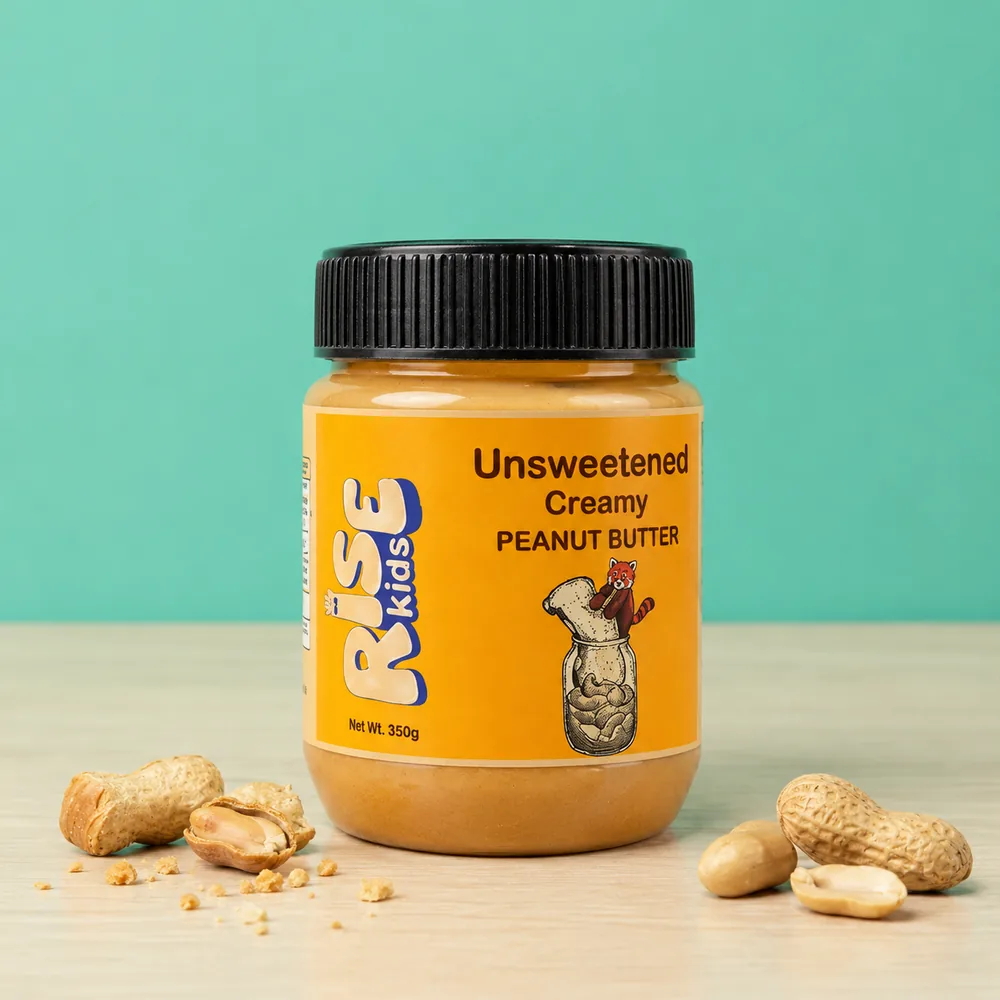
Protein in every bite.
Give your child a protein-packed, plant-based snack that helps them grow strong.
In this series
Protein & Macronutrients
Share this knowledge
Help other parents raise healthy champions!