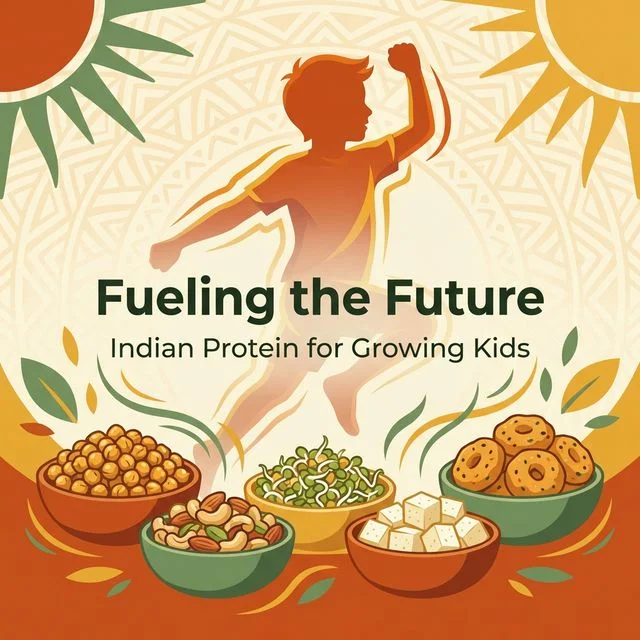
"Eat your dal, it gives you strength!"
If you grew up in an Indian household, you’ve heard this a thousand times. We are culturally conditioned to believe that a bowl of dal (lentils) is the ultimate source of protein. And for decades, we’ve believed that our traditional diet meets all our nutritional needs.
But as our children grow taller and faster than previous generations, pediatrician clinics are seeing a worrying trend: Protein Deficiency in seemingly well-fed children.
How is this possible? Your child eats dal, drinks milk, and has rotis. Isn't that enough?
Today, we’re keeping the science simple but eye-opening. We’re decoding The Protein Puzzle for the modern Indian parent.
Key Takeaways
- A 4–6 year old needs about 16–19g of protein daily, and a dal-and-milk day often only just scrapes that minimum.
- Quantity isn't enough — Indian grains and pulses are incomplete proteins that must be paired (dal + rice) to deliver all nine essential amino acids.
- Refined snacks like biscuits and chips crowd out these protein-rich pairings, quietly creating a deficit in seemingly well-fed kids.
- Spread protein across the day with small swaps — paneer, soy, nuts, and millet-based snacks — instead of relying on lunch alone.
The Numbers Game: How Much Protein Does a Child Need?
Let’s start with the basics. Protein is the building block of life. It’s what builds your child’s muscles, strengthens their immune system (antibodies are made of protein!), and fuels enzyme production.
According to the ICMR-NIN 2020 Guidelines, a child aged 4-6 years needs approximately 16g to 19g of protein every day.[1]
That sounds easy, right? 19 grams is nothing.
But let’s look at what typical foods actually provide:
| Food Item | Typical Portion | Protein Content |
|---|---|---|
| Yellow Dal (Cooked) | 1 Small Bowl (100g) | ~4 - 5g |
| Rice | 1 Plate | ~2 - 3g |
| Egg | 1 Large | ~6g |
| Paneer | 100g (Uncooked) | ~18g |
| Milk | 1 Cup (200ml) | ~6 - 7g |
Source: Indian Food Composition Tables, NIN
The "Dal Delusion" If your child eats a bowl of dal for lunch and dinner, they are getting roughly 8-10g of protein. Add a glass of milk (6g), and they reach 14-16g. They are barely scraping the minimum requirement. And this assumes they finish every drop of that dal (which, let's be honest, rarely happens).
If they skip the milk or only eat dal once, they fall into a Protein Deficit.
The Quality Check: Not All Proteins Are Created Equal
It’s not just about quantity; it’s about quality.
Proteins are made of amino acids. There are 9 "Essential Amino Acids" that our body cannot make; we must get them from food.
- Complete Proteins: Contain all 9 essential amino acids (e.g., Egg, Chicken, Soy, Dairy).
- Incomplete Proteins: Missing one or more amino acids (e.g., Dal, Rice, Wheat, Nuts).
The Vegetarian Challenge (Lysine Trap) Most Indian grains (Rice, Wheat, Millets) are low in an amino acid called Lysine. Most Pulses (Dal, Rajma, Chana) are rich in Lysine but low in Methionine.
The Solution: Complementary Proteins Our ancestors were geniuses. They paired Dal with Chawal (Rice). They paired Idli (Rice) with Sambar (Dal). When eaten together, they plug each other’s gaps to create a "Complete Protein."
The Problem Today: Modern snacking has disrupted this balance. A packet of biscuits (Wheat/Maida) is an incomplete protein. A potato chip is zero protein. When kids fill up on these, they miss the chance to get that complete nutrition profile.
5 Signs Your Child Might Need More Protein
- Frequent Illness: Protein builds antibodies. Constant colds could mean their immune army is weak.
- Slow Healing: Scrapes and cuts take forever to heal.
- Hair & Nail Issues: Brittle nails or thinning hair (hair is 95% protein!).
- Fatigue: Tiredness despite sleeping well.
- Craving Sweets: Protein stabilizes blood sugar. Without it, energy crashes lead to sugar cravings.
The "Protein in Every Bite" Strategy
We don't need protein powders. We need to be smarter with our ingredients. The goal is to distribute protein across the day, not just at lunch.
1. Upgrade the Breakfast
- Instead of: Plain Toast with jam (0g Protein).
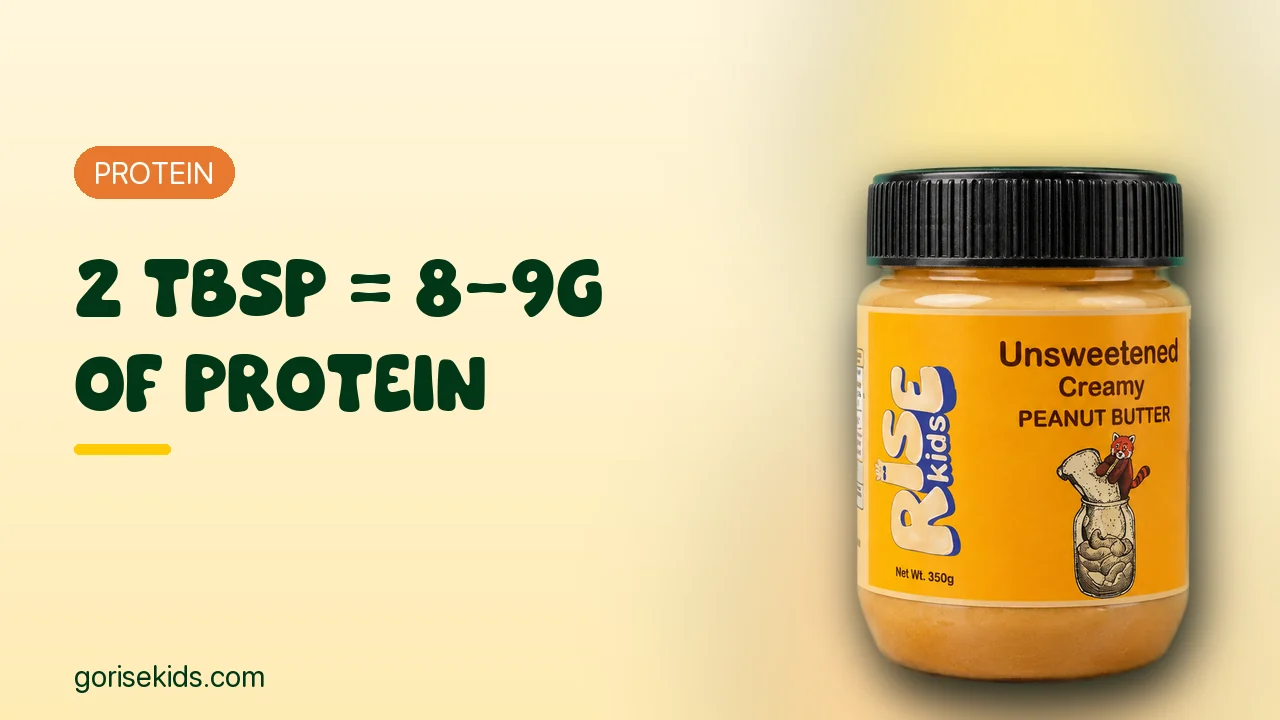
- Try: Toast with Peanut Butter (4g Protein) or Cheela/Besan Puda (5g Protein).
2. The Power of Paneer & Soy
Paneer is a vegetarian superfood. 100g of Paneer has 3x the protein of 100g of Dal.
- Hack: Grate paneer into their paratha, dosa batter, or even sandwich. They won't notice, but their muscles will.
- Soy Chunks: Often called "Veg Meat," soybean has the highest protein count among plants.
3. Snack Time is Protein Time (The 4 PM Opportunity)
This is where most parents lose the battle.
- Typical Snack: Cream biscuits (Maida + Sugar). Protein: <1g.
- Rise Snack: A Millet & Almond Cookie.
- Almonds: High protein + Good fats.
- Millets: Roughly 12% protein content.
- Result: A snack that contributes 3-4g of protein towards the daily goal.
4. Nuts & Seeds: The Pocket Powerhouses
Almonds, Cashews, and Pumpkin seeds are nutrient bombs.
- Tip: If they can't eat whole nuts, use "Nut Powder." Grind almonds and cashews and sprinkle a spoonful into their porridge, milk, or dosa batter.
Common Protein Myths, Busted
Myth: "Too much protein damages kidneys." Fact: For a healthy, active child, getting 20–25g of protein from natural food sources is perfectly safe and necessary. The kidney concern applies mainly to people with pre-existing conditions consuming large doses of synthetic supplements.
Myth: "Vegetarians can't build strength." Fact: Plenty of the world's strongest animals are plant-eaters. Children can build strength on a vegetarian diet if it's planned well — combining grains + legumes + dairy across the day is the simple formula for complete protein.
Sample "High Protein" Vegetarian Day (Age 5)
- Breakfast: 2 small Moong Dal Cheelas + ½ cup Milk. (~7g Protein)
- Lunch: Rice + Sambar (thick dal) + Beans vegetable. (~5g Protein)
- Snack: Rise Ragi & Almond Cookie + Glass of Milk/Chaas. (~6g Protein)
- Dinner: Roti + Paneer Bhurji. (~7g Protein)
Total: ~25g Protein. (Goal Met!)
Frequently Asked Questions
How much protein does my vegetarian child actually need each day? For a child aged 4–6 years, the ICMR-NIN 2020 guidelines put the requirement at roughly 16–19g per day. School-age children need more. You can hit this on a vegetarian diet, but it takes planning rather than assuming dal alone covers it.
Is dal enough protein for my child? Not on its own. A small bowl of cooked dal gives only about 4–5g of protein, so two servings plus milk barely reaches the minimum — and only if your child finishes every bite. Dal is also an incomplete protein, so pairing it with rice or roti matters as much as the quantity.
What are the best vegetarian protein sources for Indian kids? Paneer is a standout — 100g has roughly three times the protein of 100g of dal. Soy chunks, curd, milk, eggs (if eaten), nuts, and seeds all help too. Complementary pairings like dal-rice and idli-sambar turn incomplete proteins into complete ones.
Do children need protein powders or supplements? For a healthy child, no. Natural food sources — paneer, soy, nuts, dairy, and legumes — comfortably meet the requirement when protein is spread across meals and snacks. Supplements aren't necessary for everyday growth.
How can I add protein to snacks instead of just meals? Snack time is the easiest place to close the gap. Swap cream biscuits (under 1g protein) for options that pair a grain with nuts or dairy — a millet and almond cookie, apple slices with nut butter, or roasted makhana — so each snack contributes a few grams toward the daily goal.
Conclusion
Protein isn't just for bodybuilders. It’s for your little one growing taller every month. It’s for the antibodies fighting the school flu. It’s for the enzymes digesting their food.
By making small swaps—Paneer instead of Potato, Almonds instead of candy, Ragi instead of Maida—you ensure that every bite builds them up.
Let’s stop asking "Did you get full?" and start asking "Did you get your protein?"
References & Scientific Sources
- Indian Council of Medical Research & National Institute of Nutrition. "Nutrient Requirements for Indians 2020." ICMR-NIN. https://www.nin.res.in
- Swaminathan, S., et al. "Lysine limitation in the Indian diet." Journal of Biosciences.
- World Health Organization. "Protein and Amino Acid Requirements in Human Nutrition." WHO Technical Report Series.
- National Institute of Nutrition. "Indian Food Composition Tables 2017." (Data on Protein content of Dal vs Paneer).
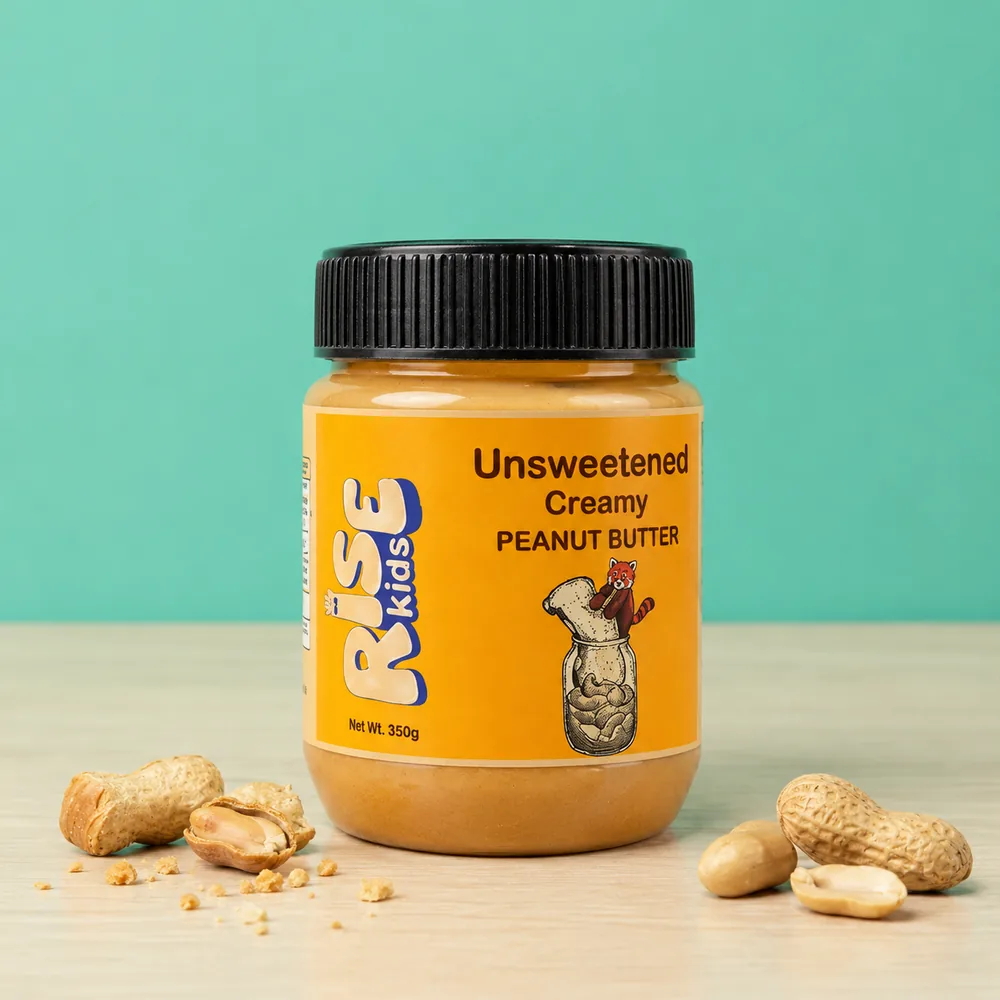
Protein in every bite.
Give your child a protein-packed, plant-based snack that helps them grow strong.
Start here
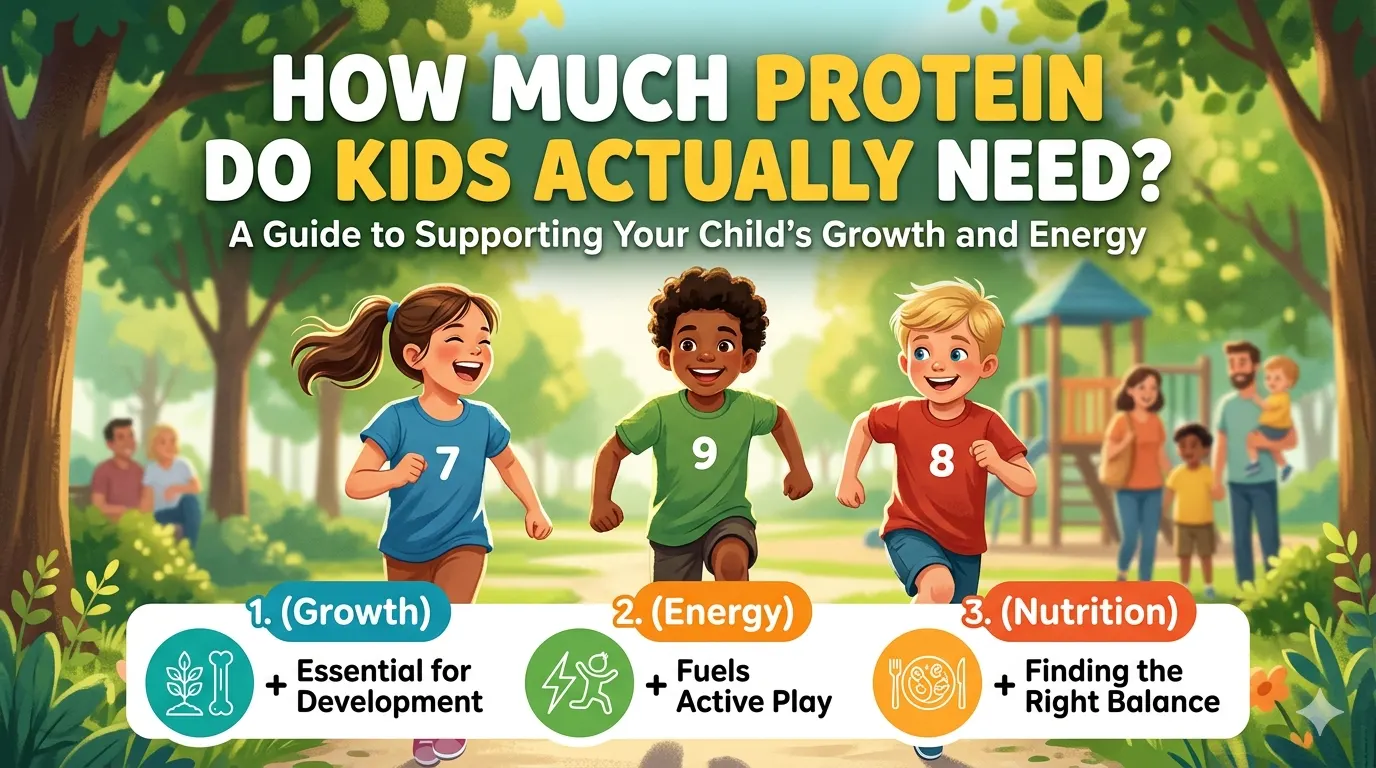
How Much Protein Do Kids Actually Need?
Protein is essential for growth, immunity, and focus, but most children's snacks are surprisingly low in it. Here's what kids actually need by age.
Share this knowledge
Help other parents raise healthy champions!