"He refuses dal rice. He only wants biscuits." If you're fighting World War III at every mealtime, take a deep breath — you are very much not alone. Around half of all parents describe their child as a "picky eater" at some stage.
But before you label your child "stubborn" and brace for another battle, it's worth asking a different question: is this behaviour, or is it biology? Often, picky eating has a physical driver we can actually fix — and once we do, the mealtime war tends to quiet down on its own.
Key Takeaways
- Picky eating is often biological, not just behavioural — a zinc or iron gap can genuinely make food taste bland.
- Sensory texture aversion ("it's too wet!") is real; separating textures helps.
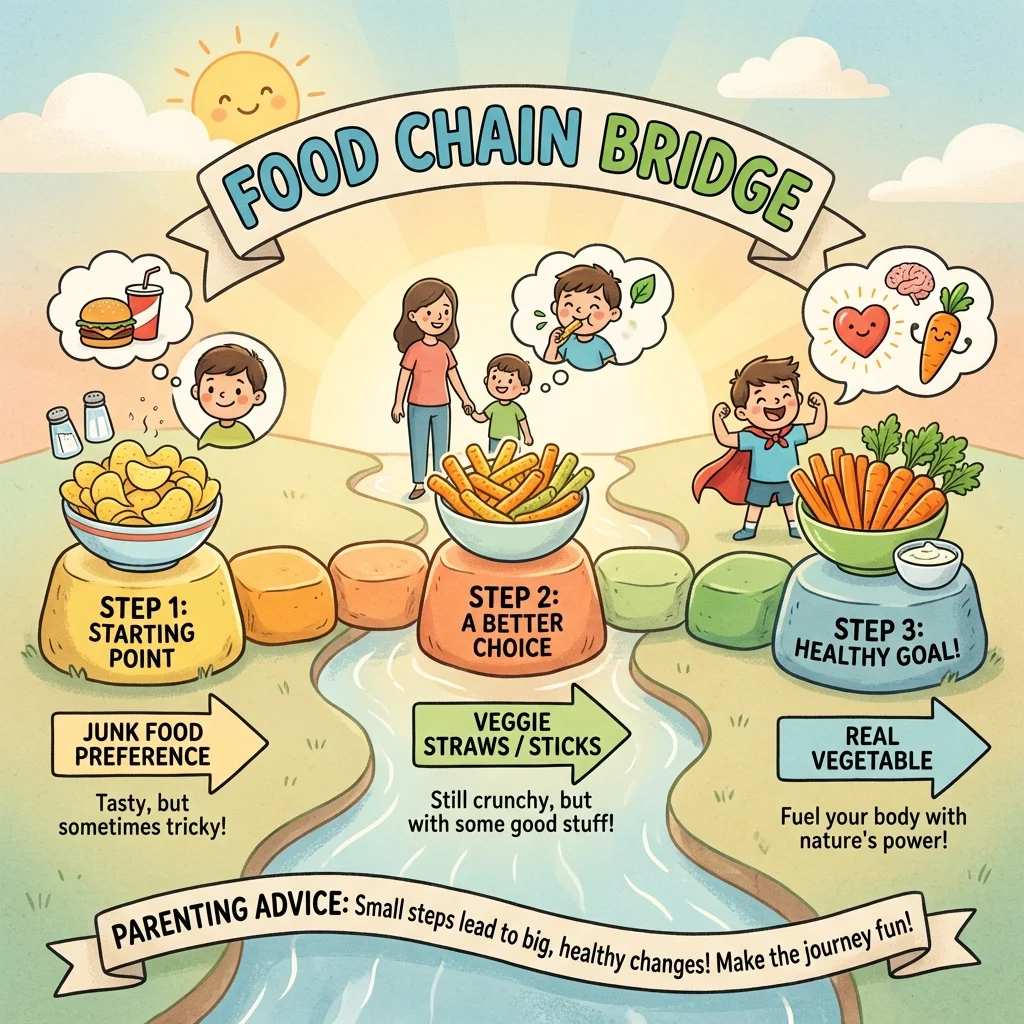
- "Food chaining" builds a bridge from a food your child loves to a new one, one small change at a time.
- The Division of Responsibility — you decide what/when, they decide whether/how much — lowers pressure and often restores appetite.
1. The Zinc Connection (Behaviour vs. Biology)
Here's something most parents never hear: a deficiency in zinc actually dulls the senses of taste and smell.
- The symptom: to a zinc-deficient child, mild foods like dal, rice, or plain vegetables can genuinely taste like cardboard. So they gravitate toward hyper-palatable salty, crunchy, intensely flavoured foods — not out of defiance, but just to feel something on the tongue.
- Why it matters in India: ICMR-NIN 2020 actually raised zinc requirements in its latest guidelines, and plant-heavy Indian diets can be low in absorbable zinc — the phytates in cereals and legumes bind some of it.
- The fix: don't just force-feed. Consider whether zinc (and iron) might be low. Zinc-rich foods — nuts, seeds, whole grains, legumes, dairy — and, where a paediatrician prescribes it, a short supplement can sometimes "switch the appetite back on." The same appetite-dulling loop appears with iron deficiency, so the two are worth checking together.
2. Sensory Issues: "It's Too Wet!"
Much Indian food is, by nature, "wet" — dal, sambar, rasam, curries. For a child with sensory sensitivity, that soggy, mixed texture can genuinely trigger a gag reflex. This isn't fussiness; it's how their nervous system processes texture.
The strategy: separate the textures.
- Instead of mixing dal into rice, serve firm rice with a thicker dal on the side as a dip.
- Offer rotis or theplas (dry texture) as an alternative to a wet rice-and-curry plate.
- Turn wet foods into dry, handheld forms: dal tikkis (cutlets), paneer cubes, veggie-stuffed parathas, or idli fingers.
Giving a texture-sensitive child control over how components combine often removes the fight entirely.
3. The "Bridge Food" Method (Food Chaining)
How do you get a child from eating chips to eating carrots? You don't leap the Grand Canyon in one jump — you build a bridge, changing only one property at a time (texture, flavour, colour, or shape).
An example chain:
- Safe food: potato chips (crunchy, yellow, salty).
- Bridge 1: veggie straws or roasted soya sticks (crunchy, yellowish, salty).
- Bridge 2: baked sweet-potato fries (crunchy, orange, mildly salty).
- Goal food: raw carrot sticks with hummus (crunchy, orange, with a dip).
Each step shifts just one thing, so the new food never feels like a shock. Food chaining is patient work — expect weeks, not days — but it genuinely expands a narrow diet.
4. The Golden Rule: Division of Responsibility
This is the hardest rule for many Indian parents, but it's the most powerful, and it comes from decades of feeding research.
- Your job: decide what to cook, when to serve it, and where your child sits to eat.
- Your child's job: decide whether to eat, and how much.
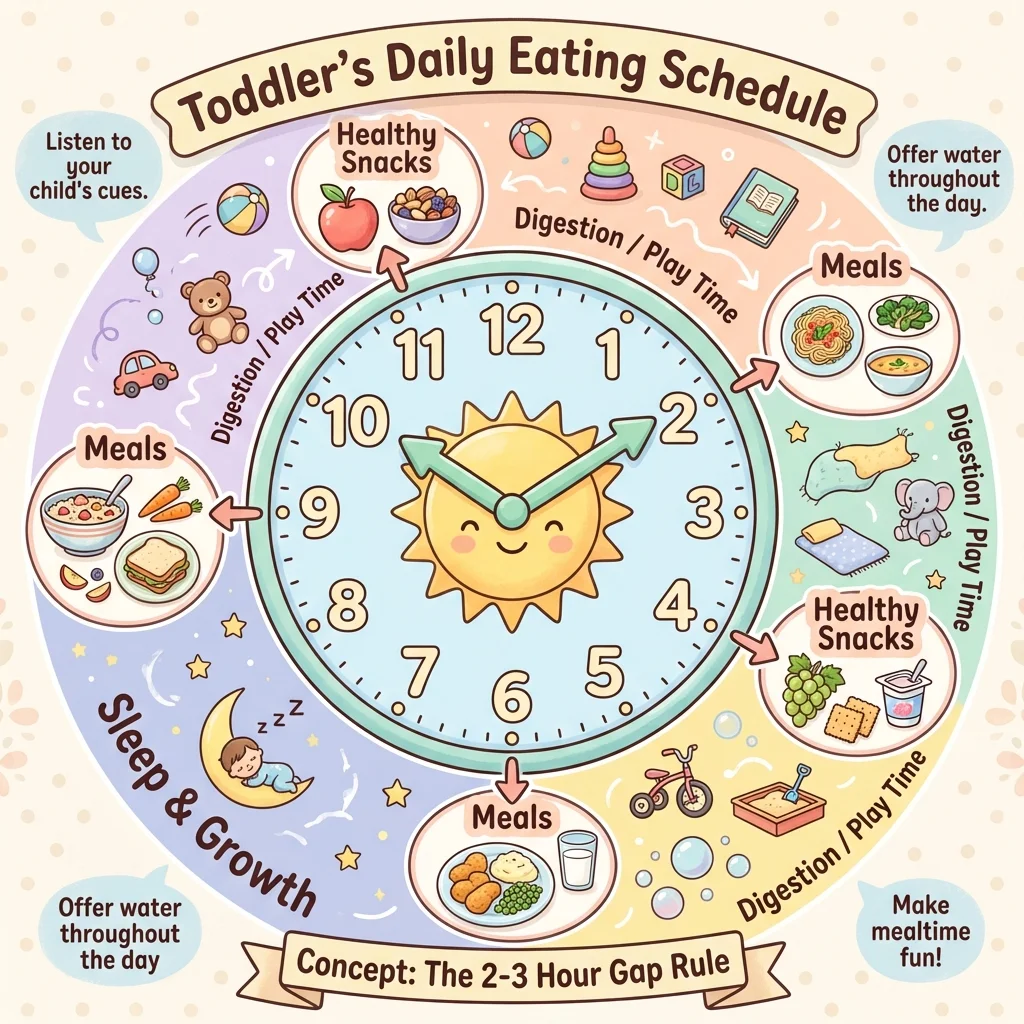
If they take two bites and stop? That's allowed. Calmly close the "kitchen" until the next planned snack or meal time. No bribes, no threats, no screens, no airplane spoons. When the pressure at the table drops, appetite very often returns — because eating stops being a power struggle.
Frequently Asked Questions
When does normal picky eating become a real concern? Some pickiness between ages 1–5 is developmentally normal. Flag it to a paediatrician if your child is losing weight or not gaining, eats fewer than ~10–15 foods total, gags or vomits often, or completely cuts out an entire food group.
Could my child's picky eating be a nutrient deficiency? It can be both a cause and a consequence. Low zinc dulls taste; low iron reduces appetite. A simple blood test can rule these in or out — worth doing before assuming it's "just a phase."
How long does food chaining take to work? Think weeks to months, not days. Children may need to be offered a new food 10–15 times before accepting it. Consistency and zero pressure are what make the difference.
Should I make a separate "kid meal" every night? Try not to. Serve at least one component you know your child will eat as part of the family meal, so there's always a "safe" option on the plate — but avoid becoming a short-order cook, which tends to narrow the diet further.
Conclusion
Before the next mealtime standoff, remember: picky eating is often the visible tip of something physical — a mineral gap, a texture sensitivity, or a pressure loop you can defuse. Check the biology, respect the sensory signals, build bridges patiently, and hand back the "whether and how much." Calmer meals — and a wider plate — usually follow. See how Rise Kids snacks make nutrition easy to love.
References & Scientific Sources
- ICMR-NIN 2020. Zinc requirements for Indians.
- Journal of Trace Elements in Medicine and Biology. "Zinc deficiency and taste perception."
- Ellyn Satter Institute. "The Division of Responsibility in Feeding."
- Pediatrics & Child Health. "Sensory processing and eating behaviours in children."
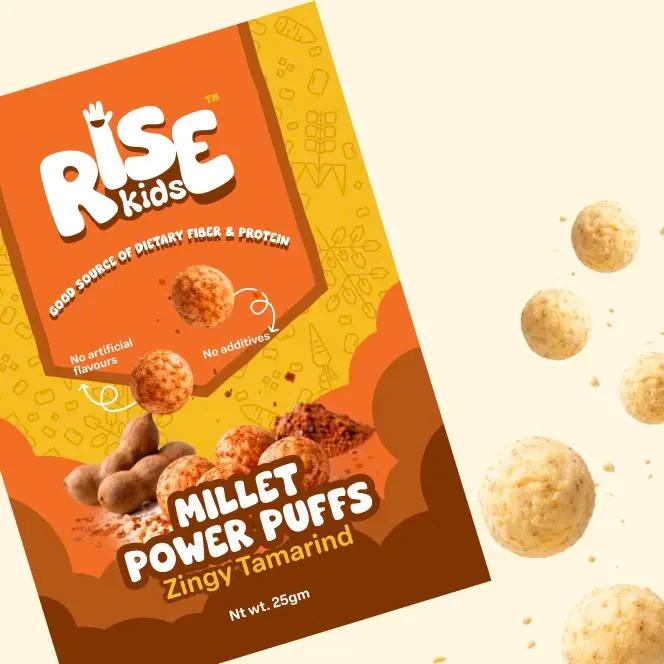
A tasty way to top up iron.
Our millet puffs are naturally rich in iron and zinc — a delicious daily boost for busy toddlers.
Start here
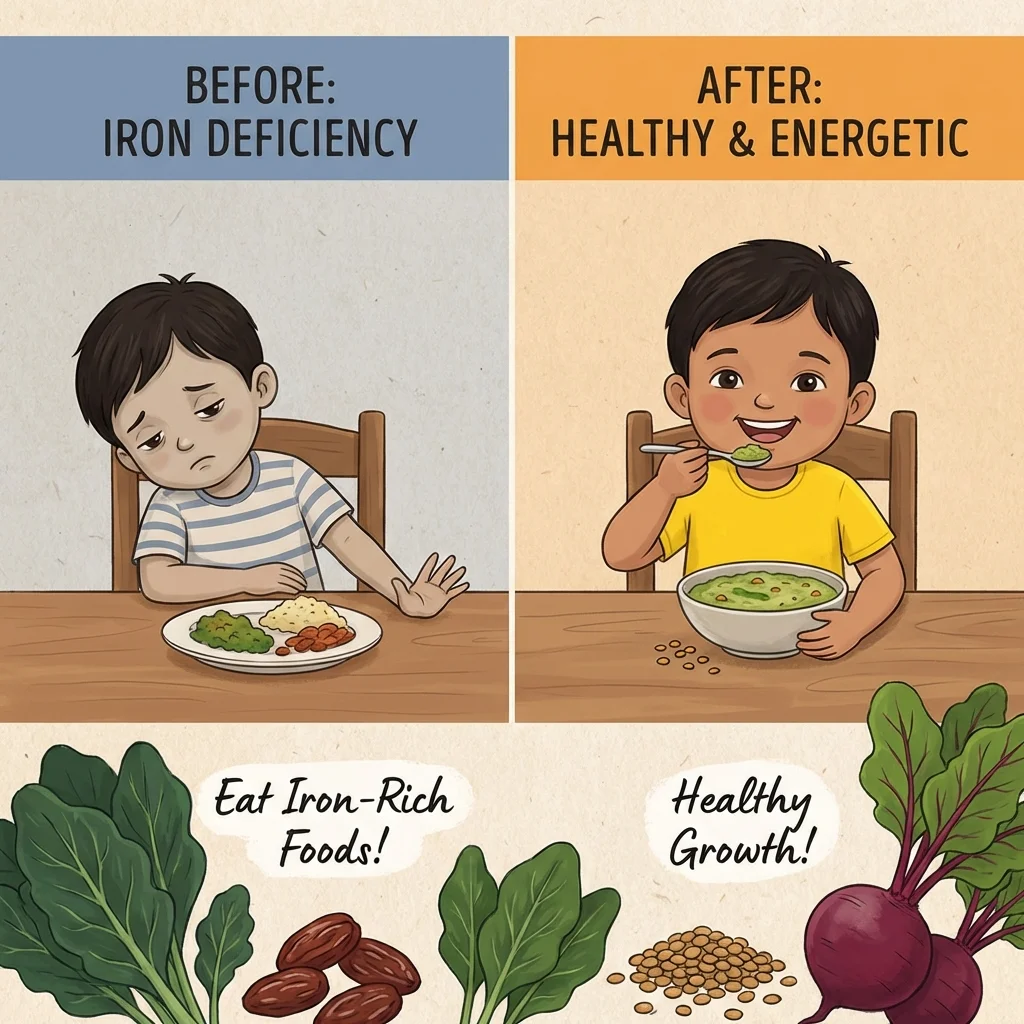
Is Your Child Tired or Just Being a Toddler? 5 Signs of Iron Deficiency
67% of Indian children are anemic. Is yours one of them? Watch out for these 5 silent signs of Iron Deficiency.
Share this knowledge
Help other parents raise healthy champions!