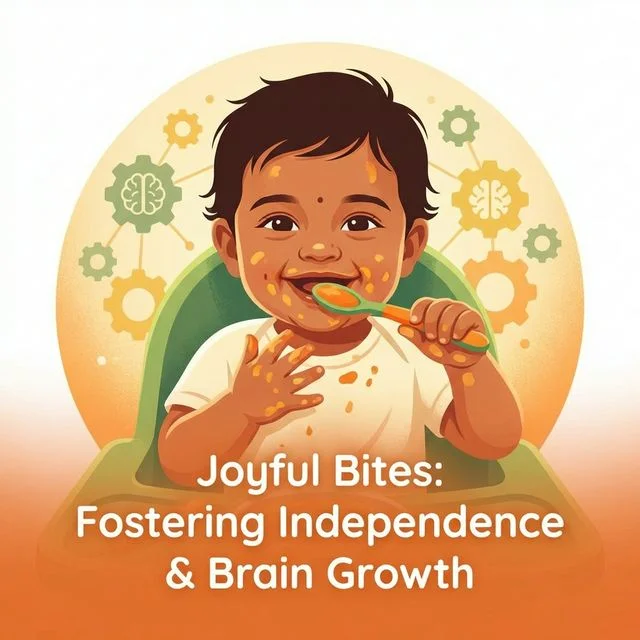
The Science of Self-Feeding: Why Messy Eating is Actually Brain Development
It’s the scene every parent dreads: You spend 45 minutes cooking a nutritious ragi porridge. You serve it with a smile. And within 30 seconds, your toddler has:
- Smeared it in their hair.
- Rubbed it on the table.
- Dropped a handful on the floor to see what sound it makes.
Your instinct is to grab the spoon, clean their hands, and say, "No! Let Amma feed you."
But pause. What looks like a mess to you is actually Data Processing to them.
Science tells us that letting children self-feed—and get messy—is one of the most important things you can do for their brain, their motor skills, and their future relationship with food.
Key Takeaways
- Messy eating is sensory data processing — squishing, touching, and dropping food helps a baby's brain build a map of textures, weight, and cause-and-effect.
- Children allowed to play with food tend to be less picky, because touching is the first step toward tasting.
- Ellyn Satter's Division of Responsibility splits the job cleanly: parents decide what, when, and where; the child decides whether and how much.
- Letting a capable toddler self-feed builds autonomy and confidence that carries into dressing, potty training, and beyond.
The Sensory Superhighway
For a baby, eating is a full-body sensory experience. They don't just taste with their tongue.
- Touch: Is it slimy? Rough? Hot? Cold?
- Smell: Does it smell sweet or savory?
- Sight: What color is it?
- Proprioception: How hard do I have to squeeze this banana before it squishes?
When a child squeezes a piece of cooked papaya, millions of nerve endings in their fingers send signals to the brain. This "Sensory Integration" helps the brain build a map of the world.
Why Picky Eaters Need Mess Research shows that children who are allowed to play with their food are less likely to be picky eaters. Why? Because touching is the first step to tasting. If a child is afraid to touch a wet piece of broccoli, they will certainly refuse to put it in their mouth. By squishing it, they demystify it.
The "Division of Responsibility" (S-DOR)
Renowned feeding expert Ellyn Satter developed the Division of Responsibility, which is the gold standard for raising healthy eaters. It’s simple but involves a huge shift in mindset for Indian parents who love to "feed lovingly" (and forcefully).
Your Job (The Parent):
- WHAT to eat (You choose the nutritious menu).
- WHEN to eat (You set the schedule).
- WHERE to eat (At the table, no distractions).
Their Job (The Child):
- WHETHER to eat (They can choose to eat or not).
- HOW MUCH to eat (They decide when they are full).
The Trap We Fall Into: We try to do their job. We try to control "How Much" they eat ("Just two more bites!"). Or we try to coerce them into "Whether" to eat ("Eat this and I'll give you chocolate").
This pressure backfires. It creates anxiety. When you step back and trust them to do their job, the power struggle ends.
Autonomy: "I Can Do It!"
Toddlerhood (age 1-3) is the age of Autonomy. Their favorite word is "No" and their second favorite is "Me do it."
When you spoon-feed a capable toddler, you are effectively saying, "You are not capable." When you let them self-feed (even if they spill), you are saying, "I trust you."
This confidence spills over into other areas of life—potty training, dressing, and playing.
How to Survive the Mess (Without Losing Your Mind)
Okay, the science is great, but you still have to clean the floor. Here are practical tips for "Managed Mess."
- The "Drop Zone": Put a plastic sheet or an old newspaper under the high chair. When food falls, it lands there, not on your rug.
- Naked Eating: In hot weather, let them eat in just a diaper. Skin is easier to wipe than clothes.
- Start Small: Put only 3-4 pieces of food on the tray at a time. If they sweep it all off, it’s less waste. Refill as they eat.
- Appropriate Cutlery: Give them a short, thick-handled spoon (like the Rise spoon) that is easy to grip, not a long adult spoon that requires complex balancing.
Frequently Asked Questions
At what age should I let my baby start self-feeding? Most babies are ready to explore finger foods around 6 months, once they can sit up and bring objects to their mouth. Early self-feeding with soft, graspable pieces builds the exact hand-to-mouth coordination they'll rely on later. Our guide to finger foods and independence walks through where to begin.
Isn't all this mess just wasted food? Some spillage is genuinely part of learning, but you can keep it small. Put only 3–4 pieces on the tray at a time and refill as they eat, so a single sweep off the table costs very little. The "waste" is really the price of a lesson in physics and independence.
My toddler refuses to be spoon-fed now. Is that a problem? Usually it's a healthy sign of autonomy, not defiance. When you insist on holding the spoon for a capable child, it can trigger a power struggle. Offer the loaded spoon and let them take over — trusting them to do their job often ends the fight.
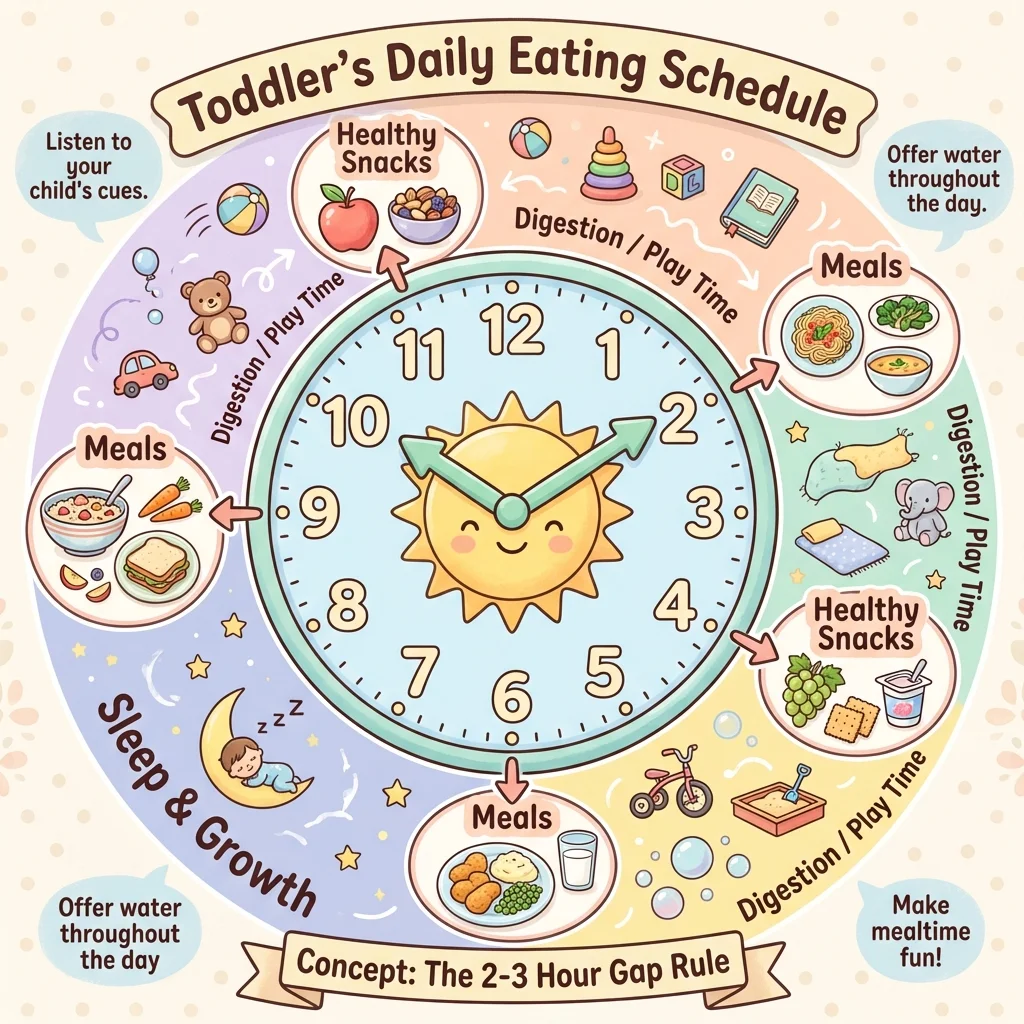
How does self-feeding help with picky eating? Familiarity comes through the fingers first. A child who freely touches and squishes a new food demystifies it, which lowers the fear that drives refusal at the mouth. Pairing that with a calm routine and good snack timing makes new foods far less threatening.
What kind of spoon or snack works best for beginners? Choose a short, thick-handled spoon that's easy to grip, and offer foods that hold together on a self-feeding hand — think soft, sized-for-little-fingers pieces. Mess-friendly, easy-to-grip snacks like ours are designed exactly for these early self-feeding wins.
Conclusion
The next time your child has yogurt on their nose and rice in their eyebrows, take a deep breath. Don't see it as a mess to be cleaned. See it as a brain at work.
They are learning physics (gravity!). They are learning biology (textures!). They are learning independence.
So put away the wet wipes for 20 minutes. Sit back with your own coffee. And let them play. The floor can wait. Their development won't.
References & Scientific Sources
- Ellyn Satter Institute. "The Division of Responsibility in Feeding." https://www.ellynsatterinstitute.org
- Coulthard, H., & Sealy, A. "Play with your food! Sensory play is associated with tasting of fruits and vegetables in preschool children." Appetite (2017).
- Erikson, E. H. "Childhood and Society." (Theory of Autonomy vs. Shame).
- National Institute of Health. "Responsive Feeding vs. Non-Responsive Feeding."
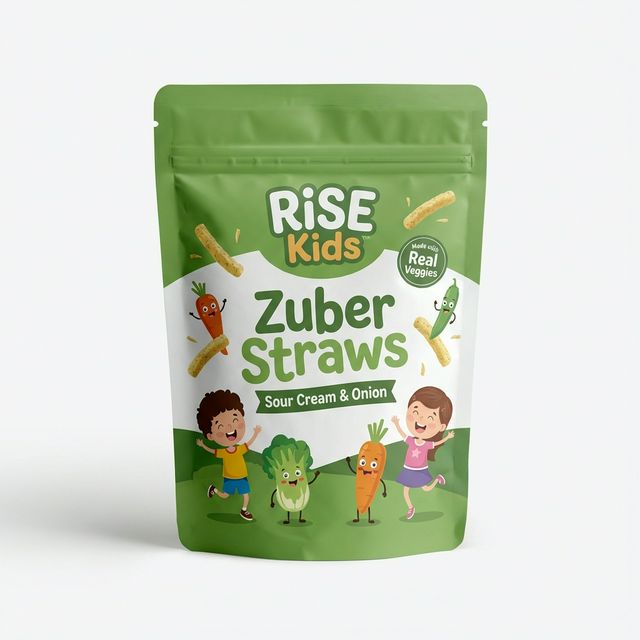
Perfect little hands-on snacks.
Crunchy, mess-free millet puffs that are easy to grip — ideal for self-feeding and lunchboxes.
In this series
Feeding & Development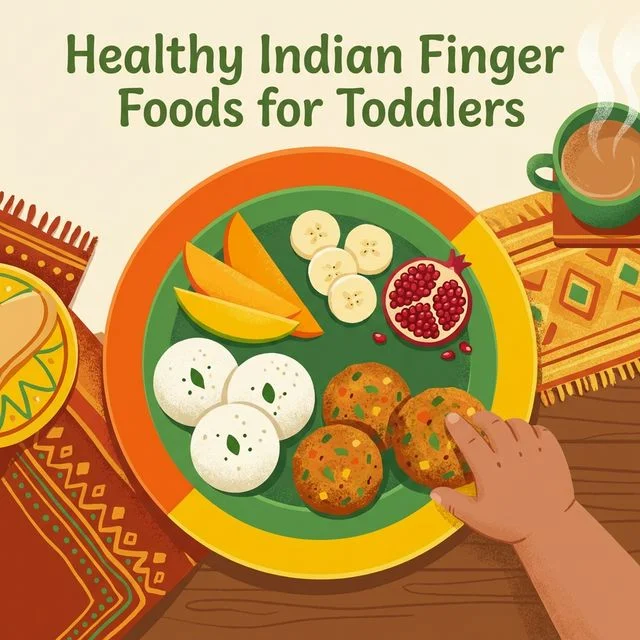
Share this knowledge
Help other parents raise healthy champions!