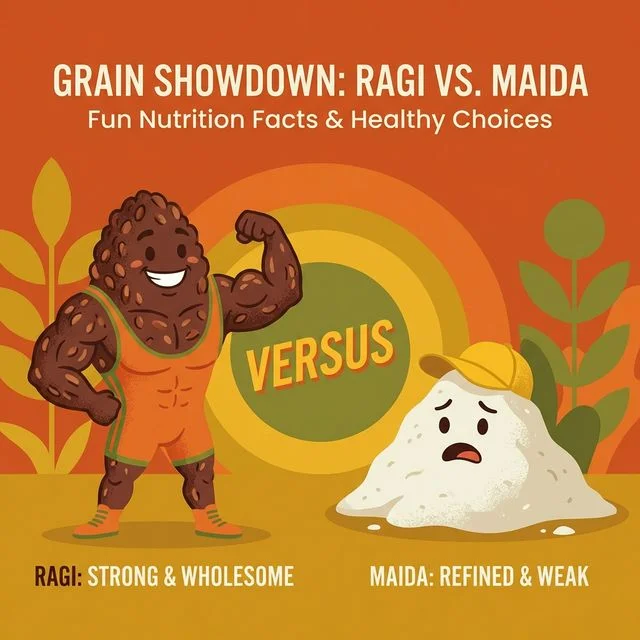
Ragi vs. Maida: The Nutrition Showdown Every Indian Parent Must See
Go to any supermarket in India, and 80% of the biscuits, cakes, and noodles on the shelf share one common ingredient: Refined Wheat Flour (Maida).
It’s cheap. It’s tasty. It makes cakes fluffy and biscuits crunchy.
But what is it actually doing to your child’s body? And why is the ancient grain Ragi (Finger Millet) hailed as a "Superfood"?
We decided to pit them against each other in a head-to-head nutritional battle. The results are startling.
Key Takeaways
- Ragi has ~17× more calcium than maida — a huge win during the bone-building childhood years.
- Ragi is high-fibre; maida is nearly fibre-free and turns "glue-like" in the gut.
- Ragi has a lower glycemic index, giving steady energy instead of a spike-and-crash.
- The easiest switch is the 50/50 rule — blend ragi with wheat/rice flour so kids never notice.
Round 1: The Calcium Fight (Bone Health)
Childhood is the only window to build bone density. 90% of your child's peak bone mass is built before age 18.
- Maida (100g): ~20mg Calcium
- Ragi (100g): ~344mg Calcium
The Winner: Ragi. Ragi has roughly 17 times more Calcium than Maida. In fact, Ragi has 3x more calcium than a glass of milk! Feeding your child Maida is a missed opportunity for their bones.
Round 2: The Fiber Factor (Gut Health)
Ever notice how children who eat a lot of biscuits and pizzas often complain of stomach aches or constipation? That’s maida at work.
- Maida: Stripped of bran and germ. It has <2g of fiber. It turns sticky in the gut (often called "glue") and slows down digestion.
- Ragi: Packed with dietary fiber (~11g). It keeps bowel movements regular and feeds the good bacteria in the gut.
The Winner: Ragi. Digestion is smoother, lighter, and healthier.
Round 3: The Energy Crash (Glycemic Index)
Have you seen your child get hyper after a sugary snack and then cranky an hour later? That’s a sugar crash.
- Maida: High Glycemic Index (>75). It spikes blood sugar rapidly, leading to hyperactivity followed by fatigue.
- Ragi: Moderate to Low Glycemic Index (~55-65). It releases energy slowly, keeping your child powered up (and focused) for hours.
The Winner: Ragi. Use it for breakfast, and they’ll have energy till lunch.
The Visual Breakdown
| Nutrient (per 100g) | Maida (Refined Flour) | Ragi (Finger Millet) | The Verdict |
|---|---|---|---|
| Calcium | 20 mg | 344 mg | Ragi is the Calcium King. |
| Fiber | 2 g (Low) | 11 g (High) | Ragi aids digestion. |
| Protein | 10 g (Low Quality) | 7-8 g (Good Quality) | Comparable quantity, but Ragi wins on pairing. |
| Micronutrients | Stripped during refining | Rich in Iron, Vitamin B | Ragi fights hidden hunger. |
| Digestion | "Glue to the gut" | Prebiotic & Laxative | Ragi prevents constipation. |
Beyond the head-to-head numbers, ICMR-NIN's own analysis of Indian millets underlines the point: across common varieties, millets like ragi are low in available carbohydrate, solid in protein, and high in dietary fibre (roughly 6.6–15.9%) — the opposite of what refining leaves behind in maida.
Why is Maida so popular then?
Simply put: Profit. Maida has a longer shelf life (bugs don't eat it because there's no nutrition left!). It creates softer textures that we are addicted to.
Ragi vs Maida: Which to Use When
| Situation | Better Choice |
|---|---|
| Everyday rotis / dosas | Ragi (or a ragi-wheat blend) |
| Breakfast porridge | Ragi (slow-release energy) |
| Fluffy cakes & pastries | Blend ragi in; pure maida bakes softer but starves nutrition |
| After-school snacks | Ragi chips / cookies over maida biscuits |
| Building bone & fighting anaemia | Ragi, every time |
| Occasional treat | Maida is fine now and then — the problem is daily reliance |
How to Switch (Without a Mutiny)
You can't just serve a ragi mudde tomorrow and expect your child to cheer. Ragi has an earthy taste.
- The 50/50 Rule: When making pancakes or dosas, start by mixing 50% Ragi flour with 50% Wheat/Rice flour.
- Chocolate Camouflage: Ragi pairs beautifully with Cocoa. A Ragi-Cocoa cookie tastes like a brownie but works like a superfood.
- Savory Chips: Baked Ragi chips with chat masala are a great swap for potato chips.
Common Myths, Busted
Myth 1: "Maida and wheat flour are the same thing." No — maida is wheat stripped of its bran and germ. Whole wheat keeps them; maida doesn't. Always check for the word "whole".
Myth 2: "Ragi is only for babies / porridge." Ragi works across every meal — dosas, rotis, cookies, chips, even brownies. It's a whole-family grain, not just weaning food.
Myth 3: "Ragi has no protein." Ragi has comparable protein to wheat and, crucially, pairs well with legumes to form complete protein — see protein for vegetarian kids.
Myth 4: "An occasional maida biscuit will harm my child." It won't. The concern is maida as an everyday staple, not the rare treat.
Frequently Asked Questions
Is ragi better than wheat, or just better than maida? Ragi beats maida decisively and edges out even whole wheat on calcium and iron. All three are fine as part of a varied grain rotation — the one to minimise is maida.
Can I give ragi to my toddler daily? Yes — ragi is gentle, nutritious, and a traditional first food. Rotate it with other whole grains for variety rather than relying on any single grain.
Does ragi really have more calcium than milk? Per 100g, ragi's calcium (~344mg) is higher than the same weight of milk — though portion sizes differ, so treat it as a strong complementary calcium source, not a milk replacement.
How do I get a fussy child to accept ragi's earthy taste? Start with the 50/50 blend, lean on cocoa-based recipes, and try savoury baked ragi chips. Introduced gradually, most kids accept it happily.
Conclusion
Maida is an "Empty Calorie". It fills the stomach but starves the body. Ragi is a "Powerhouse". Every bite builds bone, blood, and brain.
At Rise Kids, we made a choice. We don't use a single gram of Maida in our products. Because if we wouldn't feed it to our own kids, we won't feed it to yours.
References & Scientific Sources
- Indian Food Composition Tables (IFCT) 2017, National Institute of Nutrition.
- Devi, P. B., et al. "Health benefits of finger millet (Eleusine coracana L.) polyphenols and dietary fiber: a review." Journal of Food Science and Technology (2014).
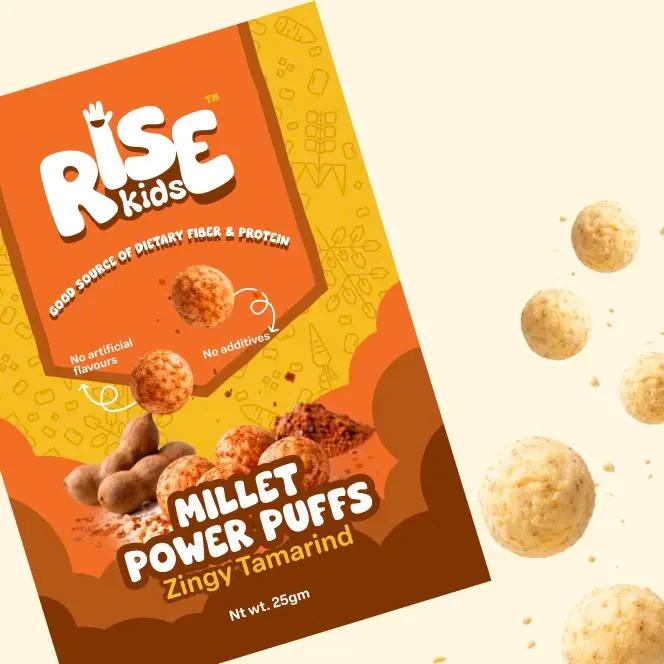
No maida. No palm oil. No nonsense.
Whole millets, natural seasoning, and calcium-rich goodness — snacking the way it should be.
In this series
What We Banned (and Why)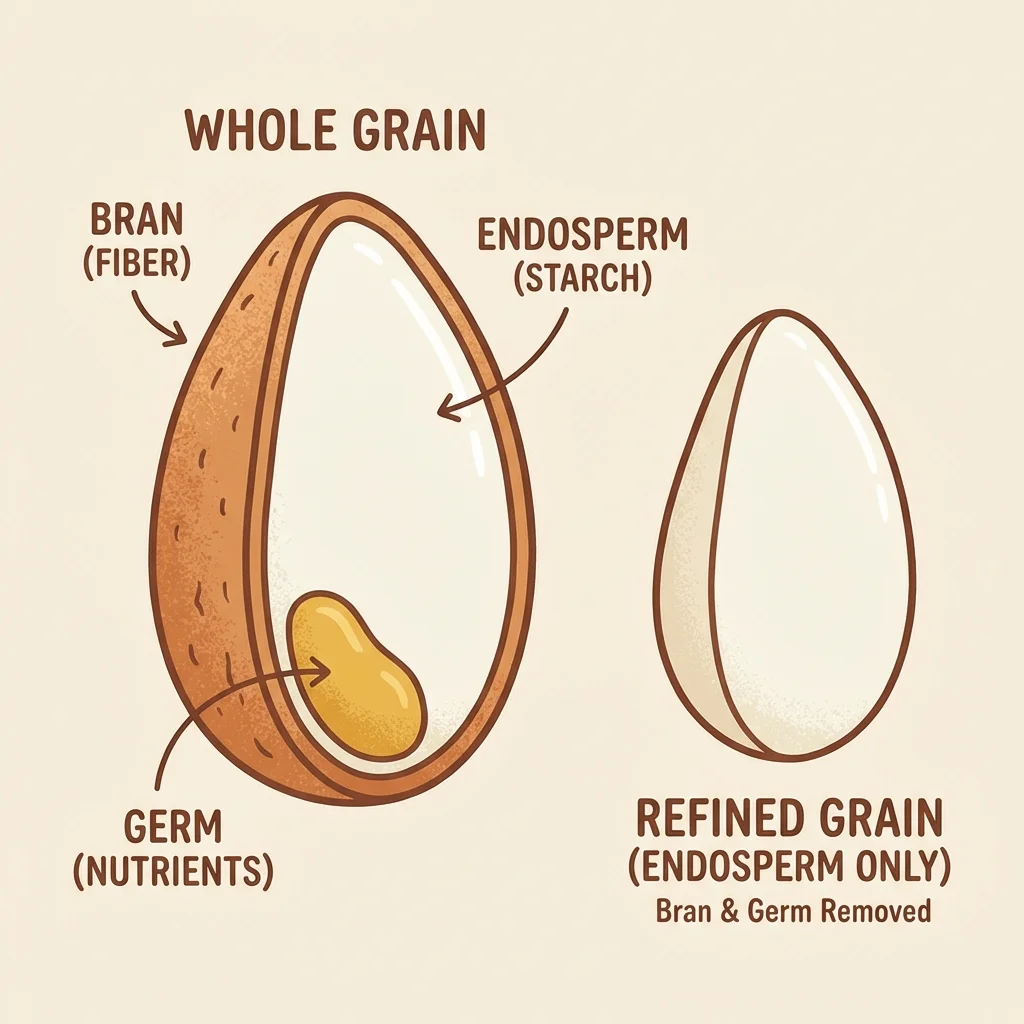
Share this knowledge
Help other parents raise healthy champions!