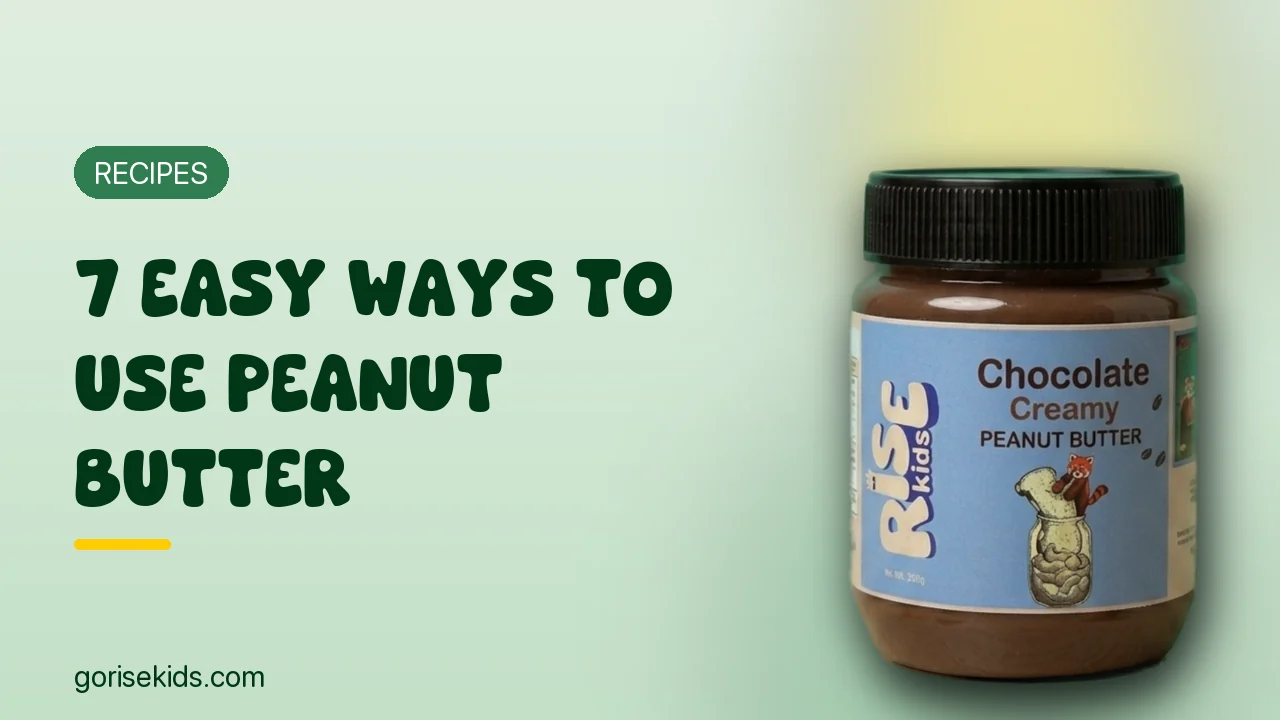
Peanut butter is one of the most underused tools in an Indian kitchen. We tend to file it under "toast topping" and forget it — when in fact a single spoon can quietly add 8–9g of protein to almost any meal of the day.
Here are seven genuinely easy ways to use it — no special equipment, no long recipes, and all friendly to small, sceptical eaters.
Key Takeaways
- Peanut butter works across breakfast, snacks and lunchboxes — not just toast.
- Pairing it with whole grains (bread, oats, roti) turns it into a near-complete protein.
- Use an unsweetened, natural peanut butter so you add nutrition, not sugar.
- For toddlers, always spread it thin or stir it in — never serve thick spoonfuls.
1. The Upgraded Toast
The classic, but done right. Spread peanut butter on whole-grain or multigrain toast instead of jam. Top with sliced banana or a few chopped dates for natural sweetness.
Why it works: jam is mostly sugar (near-zero protein). This swap turns a 0g-protein breakfast into a 5–6g one — a small change that compounds every morning.
2. Peanut Butter Oats (Overnight or Warm)
Stir a spoon of peanut butter into warm oats, or mix it into overnight oats with milk and let it sit in the fridge. Add grated apple or a mashed banana.
Why it works: oats bring fibre and slow-release carbs; peanut butter adds protein and healthy fats. Together they keep kids full right through to lunch — no mid-morning crash.
3. The Banana Roll-Up
Spread peanut butter on a soft chapati or whole-wheat wrap, lay a peeled banana along one edge, and roll it up. Slice into bite-sized pinwheels.
Why it works: it's portable, mess-free, and the roti-plus-peanut pairing makes a complete protein. A brilliant lunchbox or travel snack.
4. Peanut Butter Smoothie / Milkshake
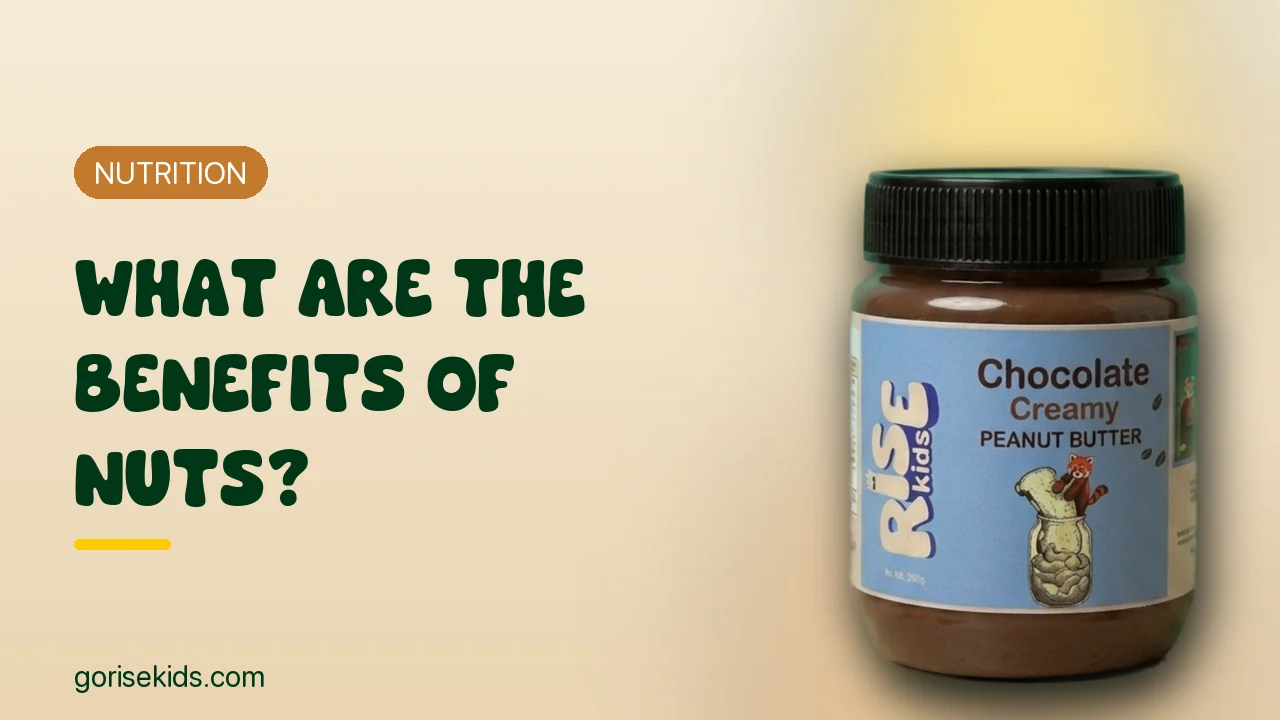
Blend one tablespoon of peanut butter with a banana, a cup of milk, and a handful of ice. A spoon of our Chocolate Creamy Peanut Butter turns it into a "treat" shake that's still genuinely nourishing.
Why it works: an easy win for kids who won't eat breakfast but will happily drink one. Protein, calcium and energy in a glass.
5. Apple & Carrot Dip
Put a small bowl of peanut butter on the plate and let your child dip apple slices, carrot sticks or cucumber into it.
Why it works: the "dip" format gets fruit and veg into reluctant eaters, and the protein-fat combo stops the sugar spike you'd get from fruit alone. Great for the 4 PM snack window.
6. No-Bake Energy Balls
Mix peanut butter with rolled oats and a few soft, chopped dates until it holds together. Roll into small balls and chill. (A spoon of desiccated coconut or crushed nuts on the outside is optional.)
Why it works: a homemade alternative to sugary store-bought "energy bars," with real ingredients you chose. Keeps for a few days in the fridge.
7. Stirred Into Porridge or Dosa Batter
Stir half a spoon of peanut butter into your child's ragi or rice porridge, or swirl it into warm dosa just before serving.
Why it works: an invisible protein boost for very young or picky eaters who won't touch nuts in any recognisable form.
A Quick Word on Choosing Your Jar
These recipes are only as healthy as the peanut butter you start with. Many commercial jars hide added sugar, salt and palm oil — which undoes the point. Check the ingredient list: it should be short.
Our Unsweetened Creamy Peanut Butter is just dry-roasted peanuts — ideal for savoury and everyday use. For recipes where kids want a little sweetness (shakes, energy balls), the Chocolate Creamy Peanut Butter is sweetened with a tiny amount of dates, not refined sugar.
Safety Reminder
- Under four? Spread thin or stir in — never thick spoonfuls (choking risk).
- First time? Peanut is a common allergen. Introduce a small amount and watch for any reaction; check with your paediatrician if there's a family history.
Frequently Asked Questions
Can I use peanut butter in savoury Indian cooking? Yes — it works beautifully stirred into dosa batter, mixed into chutneys, or as a base for a quick satay-style sauce. Use the unsweetened variety for anything savoury.
Is peanut butter good for a child's lunchbox? Very. It's shelf-stable (no refrigeration needed for a few hours), mess-free as a roll-up or sandwich, and adds real protein to an otherwise carb-heavy tiffin.
How do I get a picky eater to try peanut butter? Start invisible — stirred into porridge, milk or a smoothie — before moving to visible forms like toast or dips. Familiar flavours (banana, chocolate-date) help lower resistance.
How much peanut butter per recipe for a child? About one tablespoon per serving is plenty. It's calorie-dense, so a little goes a long way.
Conclusion
Peanut butter is the rare "health food" that doubles as a kid's favourite. With these seven ideas, one jar can stretch across breakfast, snack and lunchbox all week — quietly adding protein wherever it lands.
Pick a clean, natural jar, keep it on the counter, and let it do the heavy lifting.
References & Scientific Sources
- National Institute of Nutrition. "Indian Food Composition Tables 2017." NIN.
- Indian Council of Medical Research & National Institute of Nutrition. "Nutrient Requirements for Indians 2020." ICMR-NIN. https://www.nin.res.in
- American Academy of Pediatrics. "Choking Prevention and Early Allergen Introduction Guidance." AAP.
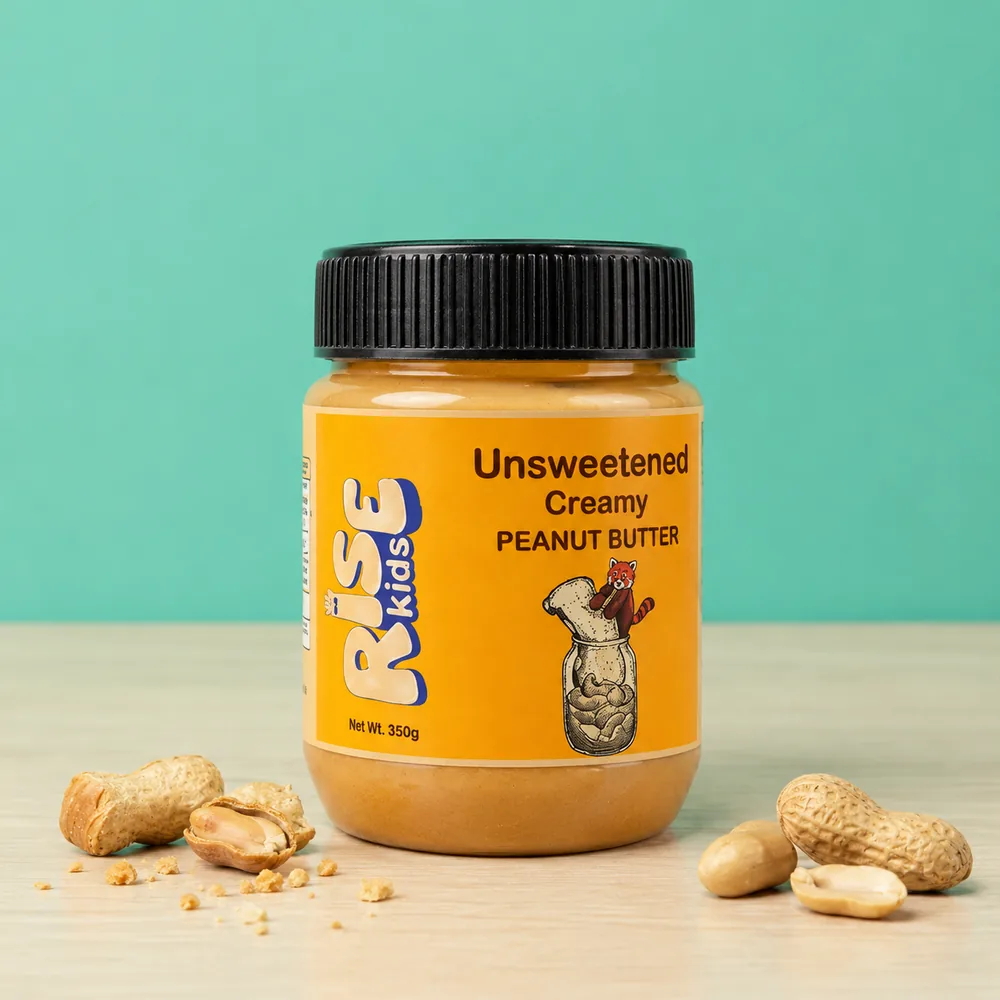
Protein by the spoonful.
Just peanuts — nothing else. Two tablespoons of our creamy peanut butter deliver 8g of plant protein your child will actually ask for.
Part of
Peanut Butter & NutsStart here
Why Peanut Butter Is the Easiest Way to Add Protein to Your Child's Diet
Two tablespoons of peanut butter can add 8–9g of protein — no cooking, no fuss. Here's why a humble jar of peanut butter is one of the simplest protein wins for busy Indian families.
Share this knowledge
Help other parents raise healthy champions!