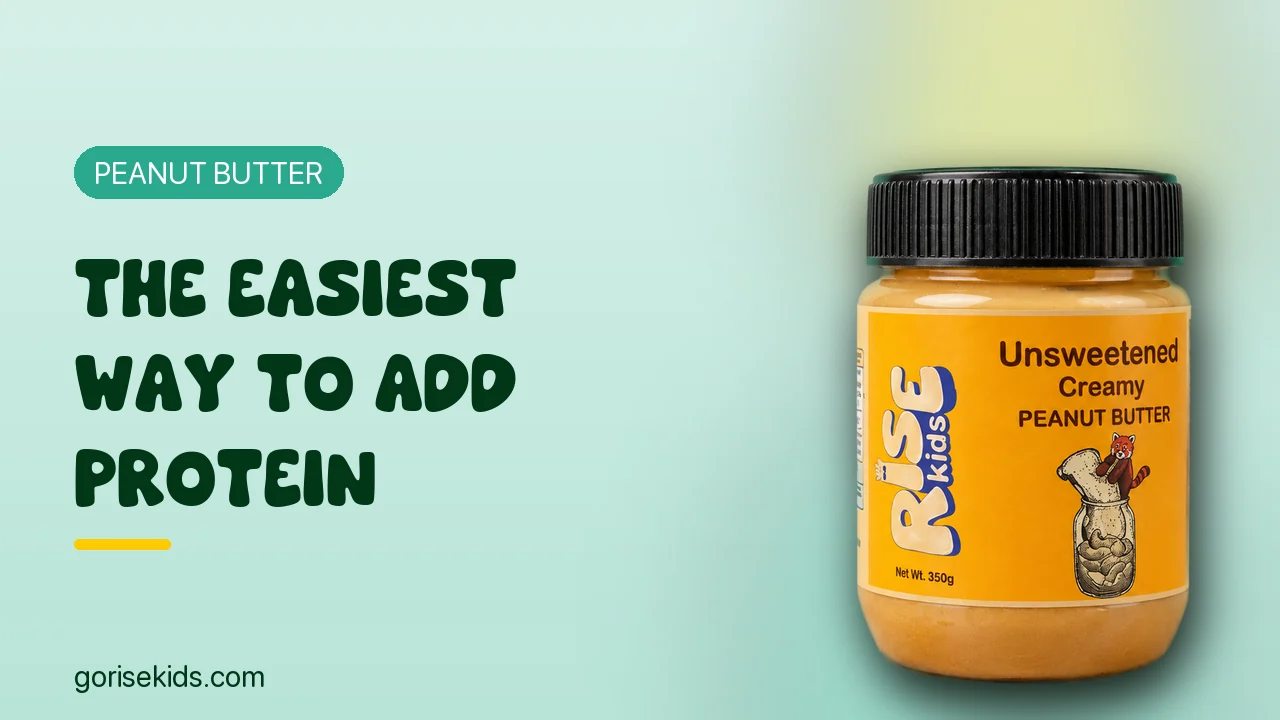
Why Peanut Butter Is the Easiest Way to Add Protein to Your Child's Diet
Most parents know their child should eat more protein. The hard part is the how. Cooking paneer, soaking dal, boiling eggs — it all takes time you don't always have at 4 PM when a hungry child is tugging at your sleeve.
This is exactly where peanut butter earns its place in the pantry. It's one of the few foods that is genuinely high in protein, requires zero cooking, and — crucially — tastes good enough that kids actually ask for it.
Let's break down why a single jar can quietly solve a chunk of your child's daily protein puzzle.
Key Takeaways
- Two tablespoons (about 35g) of peanut butter deliver roughly 8–9g of protein — comparable to an egg, with no cooking required.
- Peanuts are a legume, so they're rich in lysine — the exact amino acid most Indian grains lack. Peanut butter on whole-grain toast becomes a near-complete protein.
- Choose an unsweetened, no-added-oil peanut butter so you're adding protein and healthy fats — not sugar and palm oil.
- Peanut butter is calorie-dense. A spoon or two is a serving; it's a topping, not a bowl.
- Peanut is a common allergen — introduce early and in small amounts, and never give thick spoonfuls to children under four (choking risk).
The Numbers: Protein by the Spoonful
Here's how peanut butter stacks up against the usual suspects:
| Food | Typical Portion | Protein |
|---|---|---|
| Peanut butter | 2 tbsp (~35g) | ~8–9g |
| Egg | 1 large | ~6g |
| Milk | 1 cup (200ml) | ~6–7g |
| Cooked dal | 1 small bowl | ~4–5g |
| Cheese slice | 1 slice | ~4g |
Source: Indian Food Composition Tables, NIN.
A child aged 4–6 needs roughly 16–19g of protein a day per ICMR-NIN guidelines. Two tablespoons of peanut butter cover nearly half a day's requirement in a single spread — before they've even touched their lunch.
Why Peanuts Are Smarter Than They Look
Protein isn't only about quantity; it's about quality — the mix of amino acids.
Most Indian grains (rice, wheat, millets) are low in an amino acid called lysine. Peanuts, being a legume, are rich in lysine. So when you spread peanut butter on a whole-grain roti or toast, the two foods plug each other's gaps — the same clever pairing logic behind dal-chawal, in a form a four-year-old will happily eat.
Peanut butter also brings more than protein to the table:
- Healthy fats (mostly unsaturated) that support brain development and help absorb fat-soluble vitamins.
- Fibre for steady digestion and fullness.
- Niacin, vitamin E, magnesium and some iron — quiet micronutrients that add up.
The Real Advantage: It's Effortless
The best nutrition plan is the one you'll actually stick to. Peanut butter wins on convenience:
- No cooking. Open, spread, done.
- Shelf-stable. No fridge scramble before school.
- Versatile. Toast, chapati rolls, oats, smoothies, apple dip — so many everyday uses.
- Kid-approved taste. Which means less mealtime negotiation.
But Not All Jars Are Equal
Here's the catch most parents miss: many supermarket peanut butters are loaded with added sugar, salt and palm oil. At that point you're buying a dessert spread wearing a health halo.
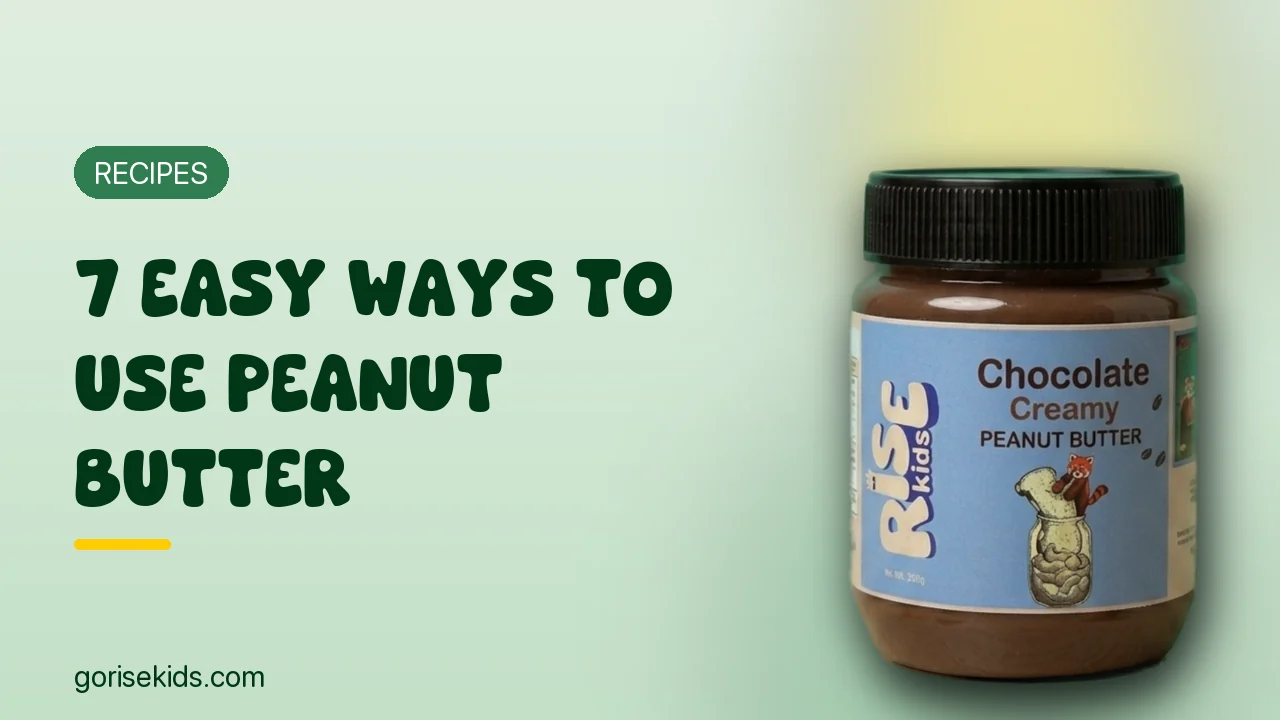
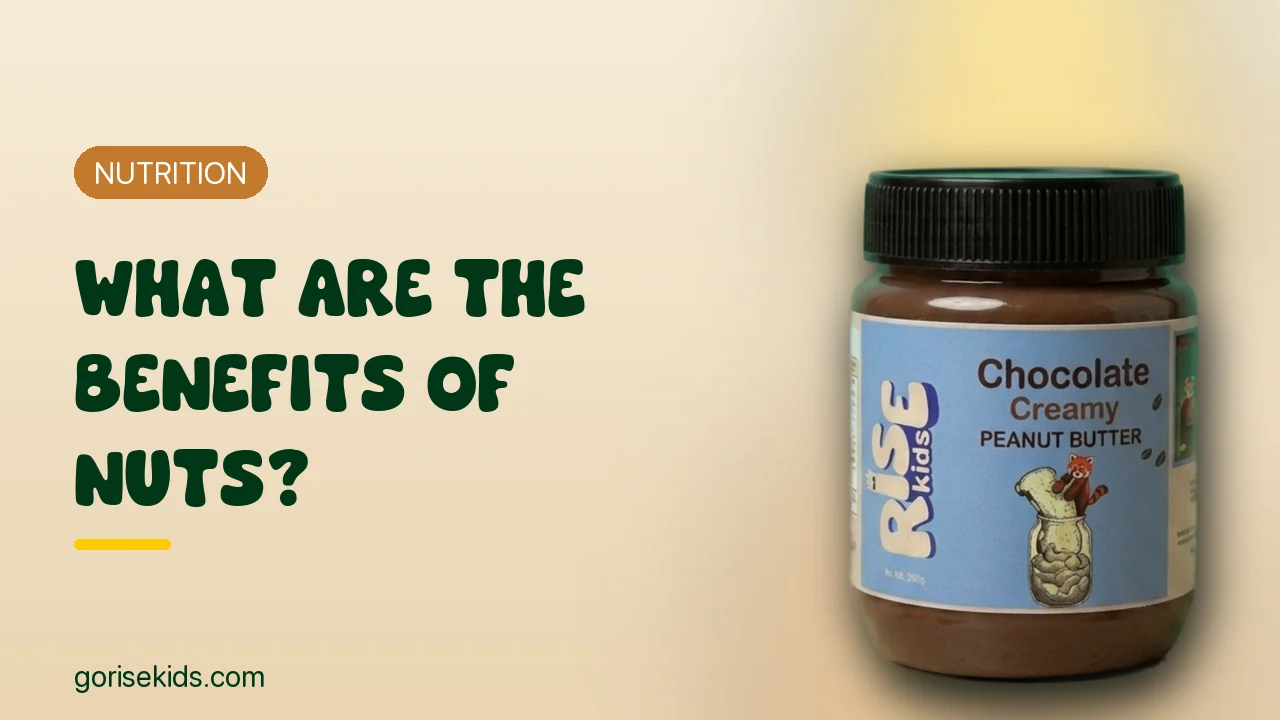
When reading the label, the ingredient list should be short — ideally just peanuts. Our Unsweetened Creamy Peanut Butter is exactly that: dry-roasted peanuts, nothing else. No sugar, no salt, no added oils. If your child prefers a touch of sweetness, our Chocolate Creamy Peanut Butter is sweetened with a tiny amount of dates rather than refined sugar.
A Note on Portions and Safety
Peanut butter is nutrient-dense, which also means calorie-dense. One to two tablespoons is a serving for a child — think of it as a protein topping, not a meal in itself.
Two safety points worth repeating:
- Allergy: Peanut is one of the most common food allergens. Current guidance favours introducing peanut early (from around 6 months, as a thin smooth spread or mixed into food), but do it in small amounts and watch for any reaction. If there's a strong family history of allergy, speak to your paediatrician first.
- Choking: Never give thick globs or spoonfuls of peanut butter to toddlers. Spread it thin on toast or stir it into porridge, milk or a smoothie.
Frequently Asked Questions
How much protein is in two tablespoons of peanut butter? Roughly 8–9g, depending on the brand. That's comparable to a large egg, and close to half the daily protein needs of a 4–6 year old — from a single spread.
Is peanut butter a complete protein? On its own, peanut butter is slightly low in a couple of amino acids. But because peanuts are rich in lysine (which grains lack), pairing peanut butter with whole-grain bread or roti creates a near-complete protein.
Which peanut butter is best for kids? Look for the shortest ingredient list — ideally just peanuts, with no added sugar, salt or palm oil. An unsweetened, natural peanut butter gives you protein and healthy fats without the junk.
How much peanut butter should a child eat in a day? One to two tablespoons is a sensible serving. It's calorie-dense, so treat it as a topping rather than a bowlful.
When can babies start eating peanut butter? From around 6 months, as a thin, smooth spread or stirred into food (never thick spoonfuls). Introducing peanut early may actually lower allergy risk — but check with your paediatrician if there's a family history of allergies.
Conclusion
You don't need a protein powder or an elaborate recipe to help your child grow strong. Sometimes the answer is a jar in the cupboard, a slice of good bread, and thirty seconds.
Peanut butter is proof that the healthiest choices can also be the easiest ones — as long as you pick the right jar.
References & Scientific Sources
- Indian Council of Medical Research & National Institute of Nutrition. "Nutrient Requirements for Indians 2020." ICMR-NIN. https://www.nin.res.in
- National Institute of Nutrition. "Indian Food Composition Tables 2017."
- Du Toit, G., et al. "Randomized Trial of Peanut Consumption in Infants at Risk for Peanut Allergy (LEAP Study)." New England Journal of Medicine.
- U.S. Department of Agriculture. "FoodData Central — Peanut butter, smooth." USDA.
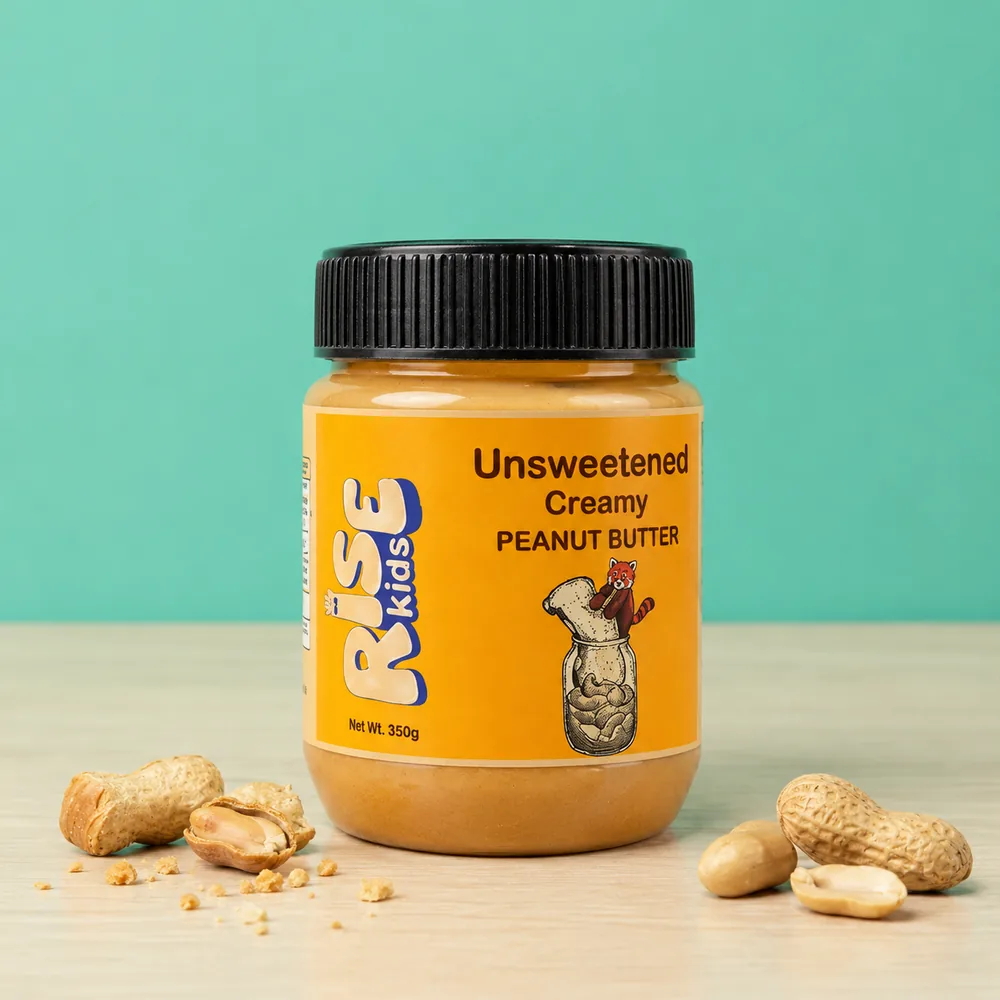
Protein by the spoonful.
Just peanuts — nothing else. Two tablespoons of our creamy peanut butter deliver 8g of plant protein your child will actually ask for.
In this series
Peanut Butter & Nuts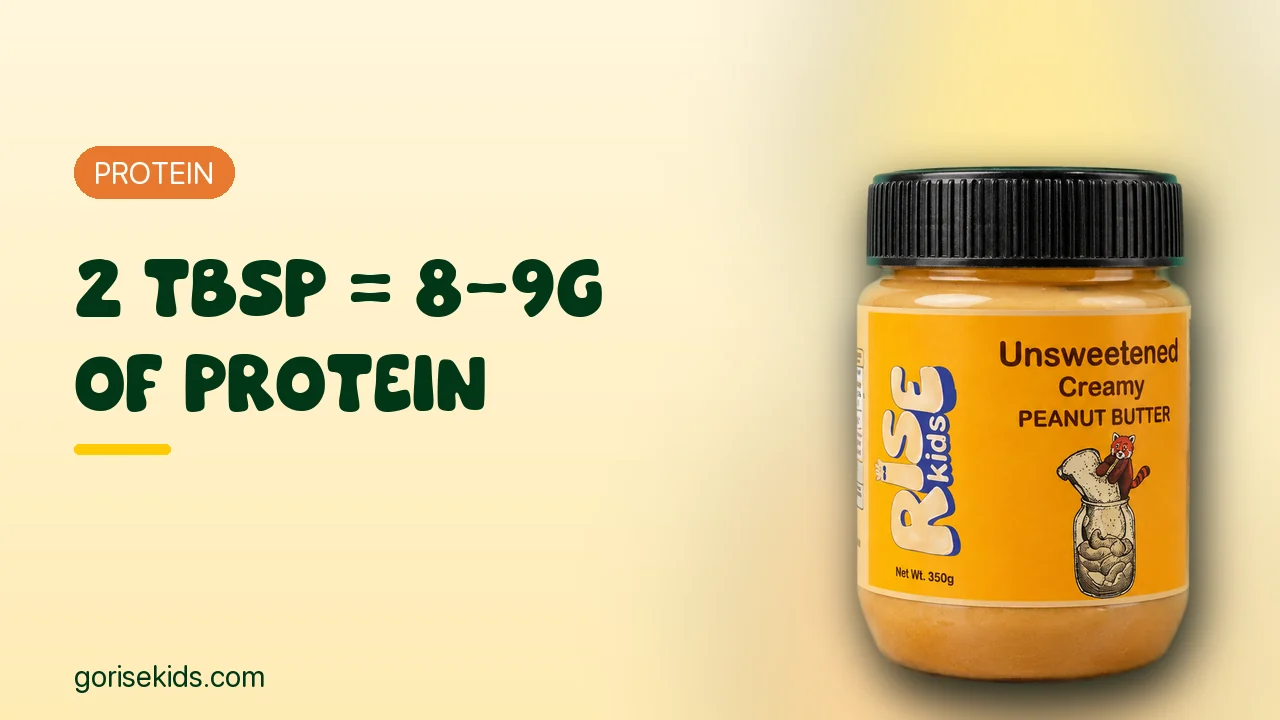
Share this knowledge
Help other parents raise healthy champions!