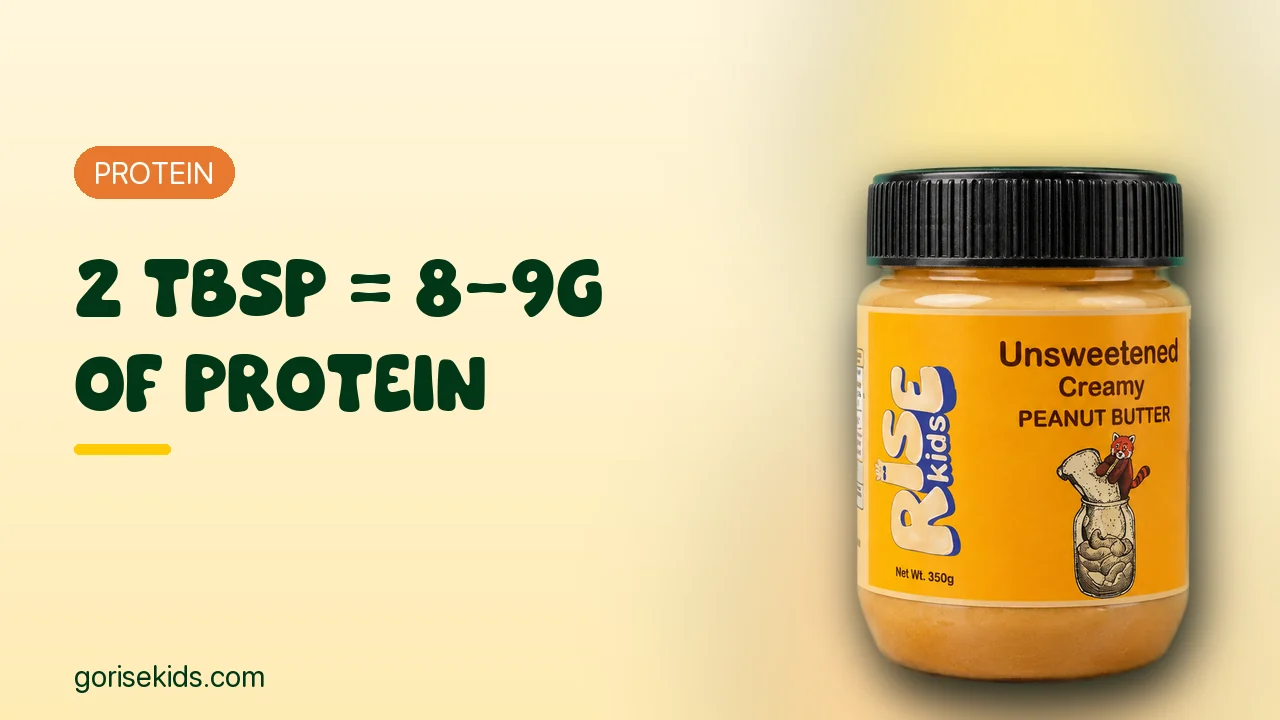
Two Tablespoons, 8–9g of Protein: The Peanut Butter Math Every Parent Should Know
A single serving of peanut butter — just two tablespoons — can add 8–9g of protein to your child's day. Here's what that number really means, and how to use it.

A single serving of peanut butter — just two tablespoons — can add 8–9g of protein to your child's day. Here's what that number really means, and how to use it.

Two tablespoons of peanut butter can add 8–9g of protein — no cooking, no fuss. Here's why a humble jar of peanut butter is one of the simplest protein wins for busy Indian families.

Beyond toast: simple, no-fuss ways to fold protein-rich peanut butter into breakfast, snacks and lunchboxes — tailored for Indian kitchens and picky eaters.

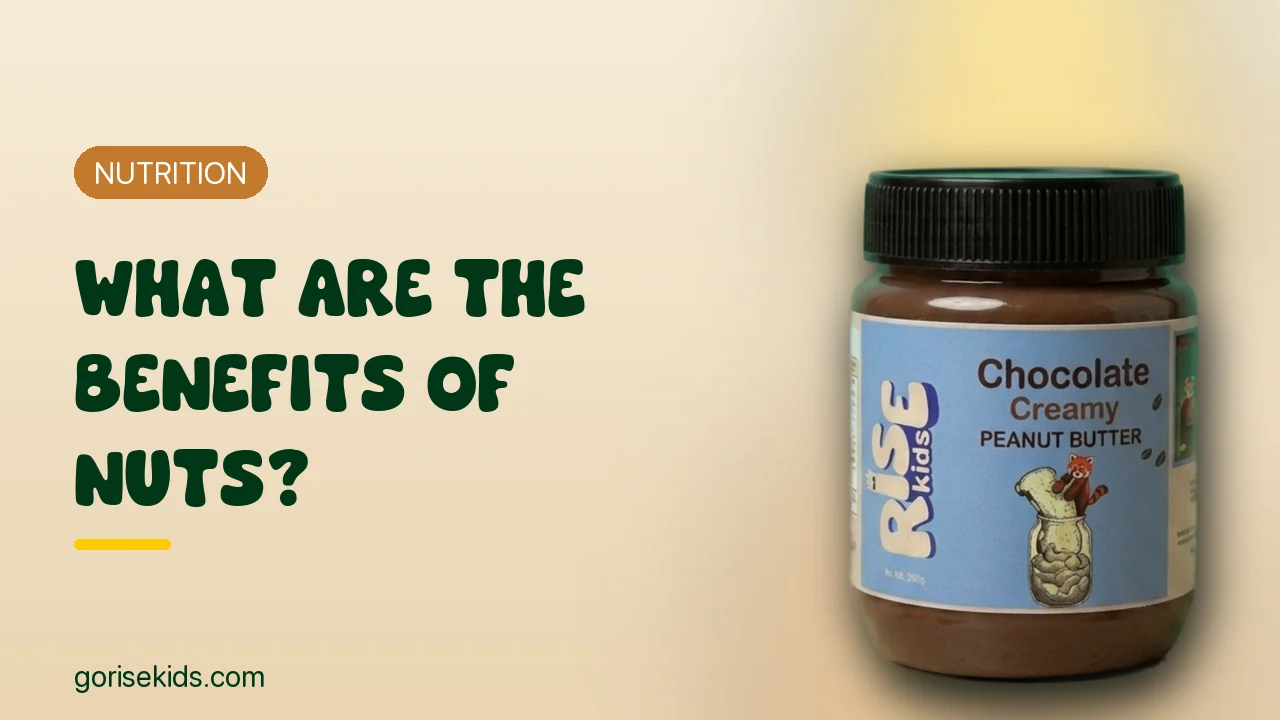
Tiny but mighty — nuts pack protein, brain-friendly fats, fibre and hard-to-get micronutrients into every handful. Here's what they do for a growing child, and how to serve them safely.

From the first bite to lasting energy — a simple tour of what peanut butter actually does inside a growing child's body, and why it beats a sugary snack hands down.

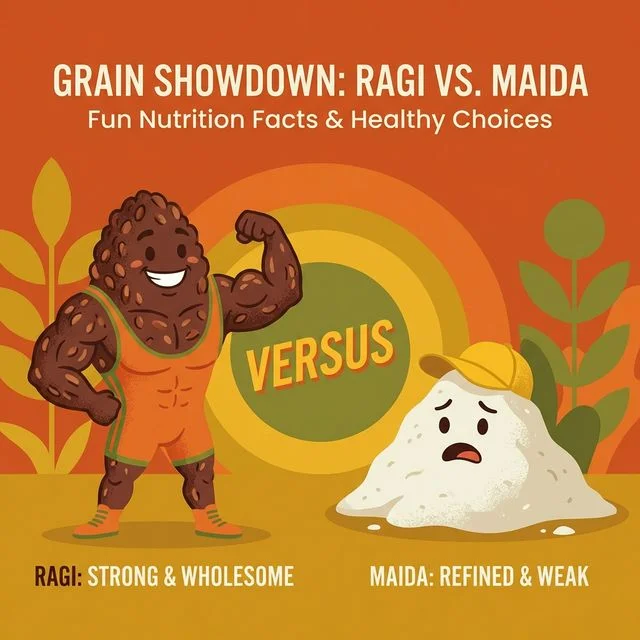
Millet puffs or potato chips? We compare them on calories, fat, fibre, and hidden nasties like palm oil and maida — so you can satisfy your child's crunch craving the healthy way.

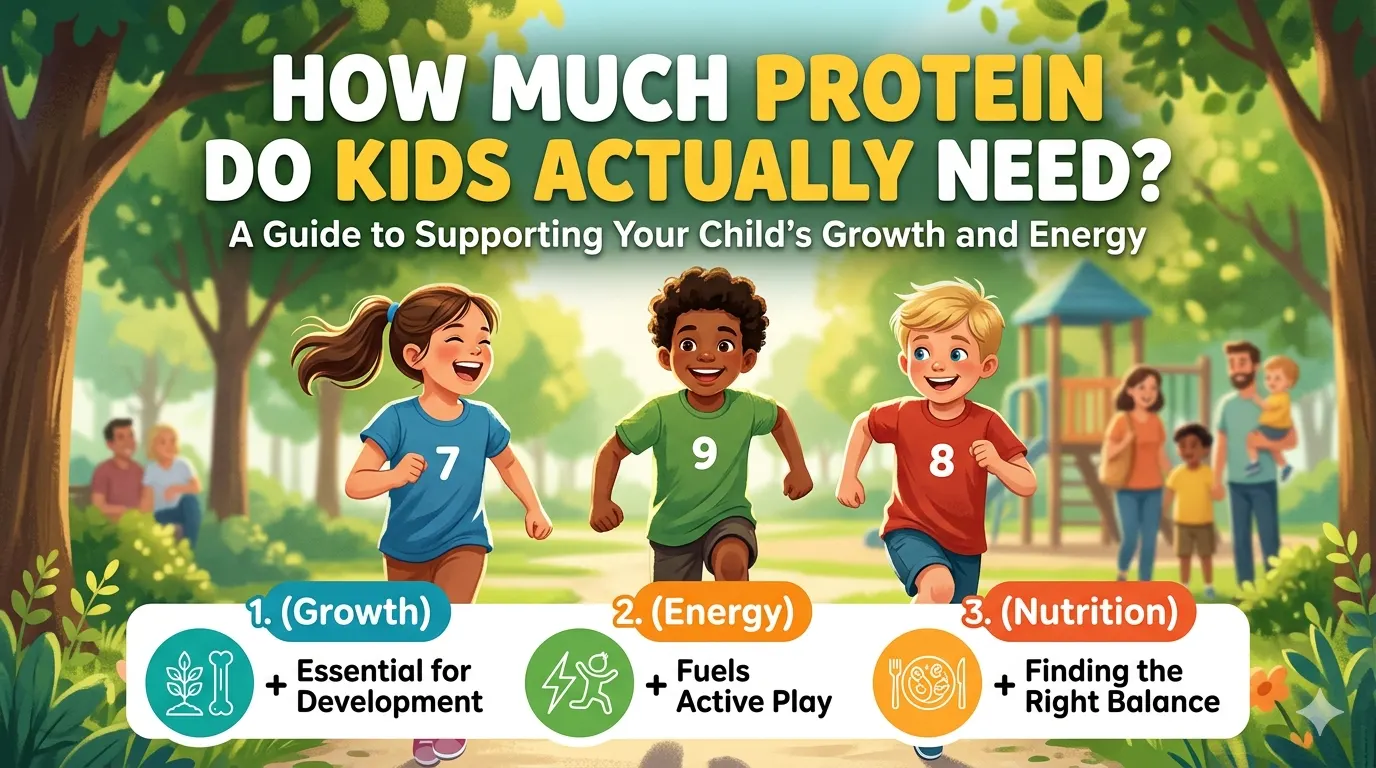
Protein is essential for growth, immunity, and focus, but most children's snacks are surprisingly low in it. Here's what kids actually need by age.

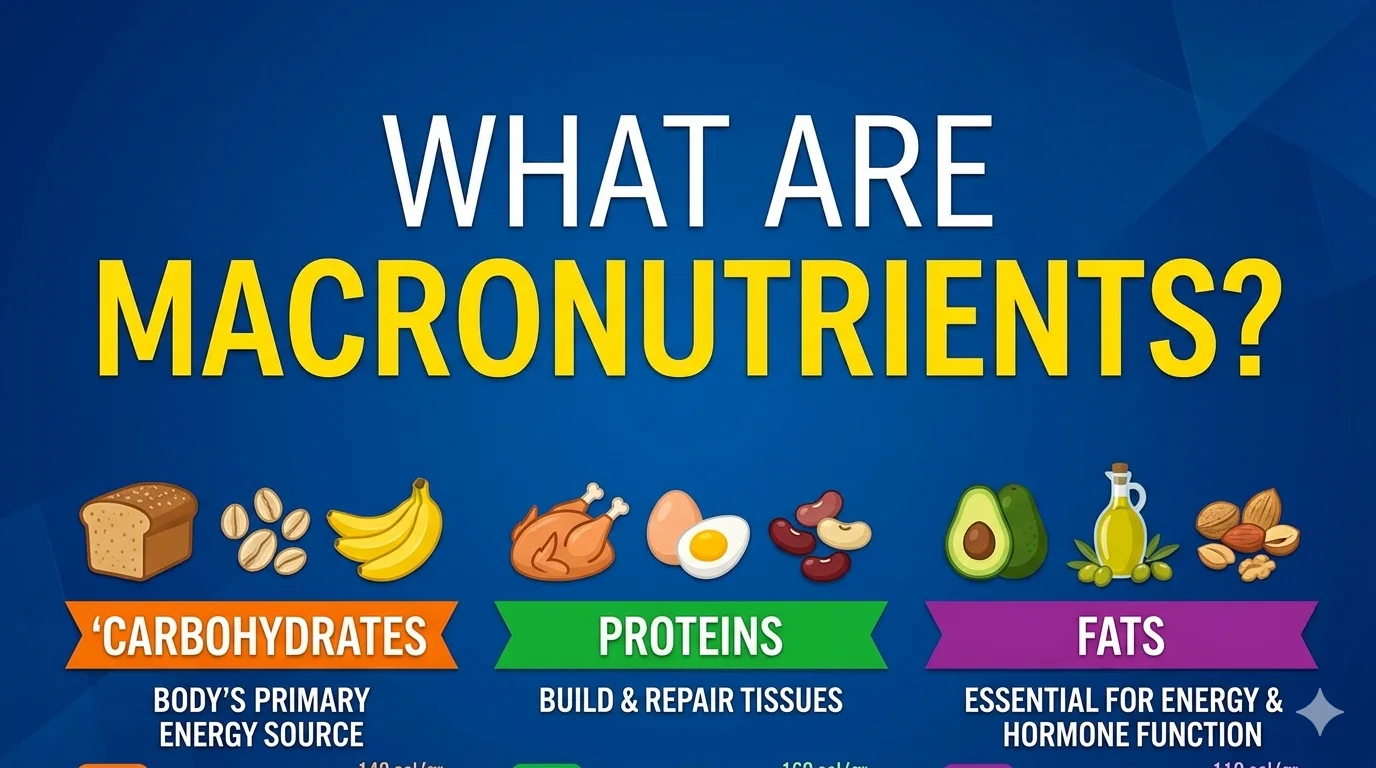
Protein, carbohydrates, and fats are the three nutritional building blocks every child needs. Here's how each one supports growth, energy, and long-term health.

A parent's practical guide to reading ingredient lists, spotting hidden sugars, and choosing truly clean snacks for children.
Showing 9 of 28